.png)


Essential Tips for Nurturing and Caring for Your 4C Hair

.4C hair is a beautiful, unique hair type that requires special care to maintain its health and vibrancy. Its tight curls and coils make it prone to dryness and breakage, so understanding how to nurture it properly can make a big difference. This guide offers practical, effective 4C hair care tips tailored specifically for black women, helping you embrace your natural texture while keeping your hair strong and moisturized.

Understanding 4C Hair
4C hair has the tightest curl pattern among the hair types, often appearing densely packed with very little defined curl pattern. This hair type tends to shrink significantly when dry and can be fragile if not cared for properly. Because of its structure, 4C hair struggles to retain moisture, which makes hydration and gentle handling essential.
Knowing your hair’s characteristics helps you choose the right products and techniques. For example, 4C hair benefits from heavier creams and oils that lock in moisture, unlike lighter products that might evaporate quickly.
Essential 4C Hair Care Tips for Maximum Moisture
Moisture retention is the foundation of healthy 4C hair. Without it, hair becomes brittle and prone to breakage. Here are some tips to keep your hair hydrated:
Use the LOC or LCO method: This stands for Liquid, Oil, Cream or Liquid, Cream, Oil. Start by applying a water-based leave-in conditioner or simply water, then seal in moisture with an oil like castor or jojoba, and finish with a creamy moisturizer. This layering helps lock in hydration for longer periods.
Deep condition regularly: Aim for at least once a week. Deep conditioners penetrate the hair shaft to restore moisture and strengthen strands. Look for products with natural ingredients like shea butter, coconut oil, or avocado oil.
Avoid harsh shampoos: Use sulfate-free shampoos or co-wash (conditioner washing) to cleanse your scalp without stripping natural oils.
Gentle Detangling Practices
Detangling 4C hair requires patience and care to prevent unnecessary breakage. Follow these steps:
Detangle when hair is wet and conditioned: Wet hair is more elastic and less likely to snap. Apply a generous amount of conditioner or detangling spray.
Use your fingers or a wide-tooth comb: Start from the ends and work your way up to the roots. Avoid using fine-tooth combs or brushes on dry hair.
Section your hair: Divide your hair into manageable parts to make detangling easier and less stressful on your strands.
Protective Styling to Minimize Damage
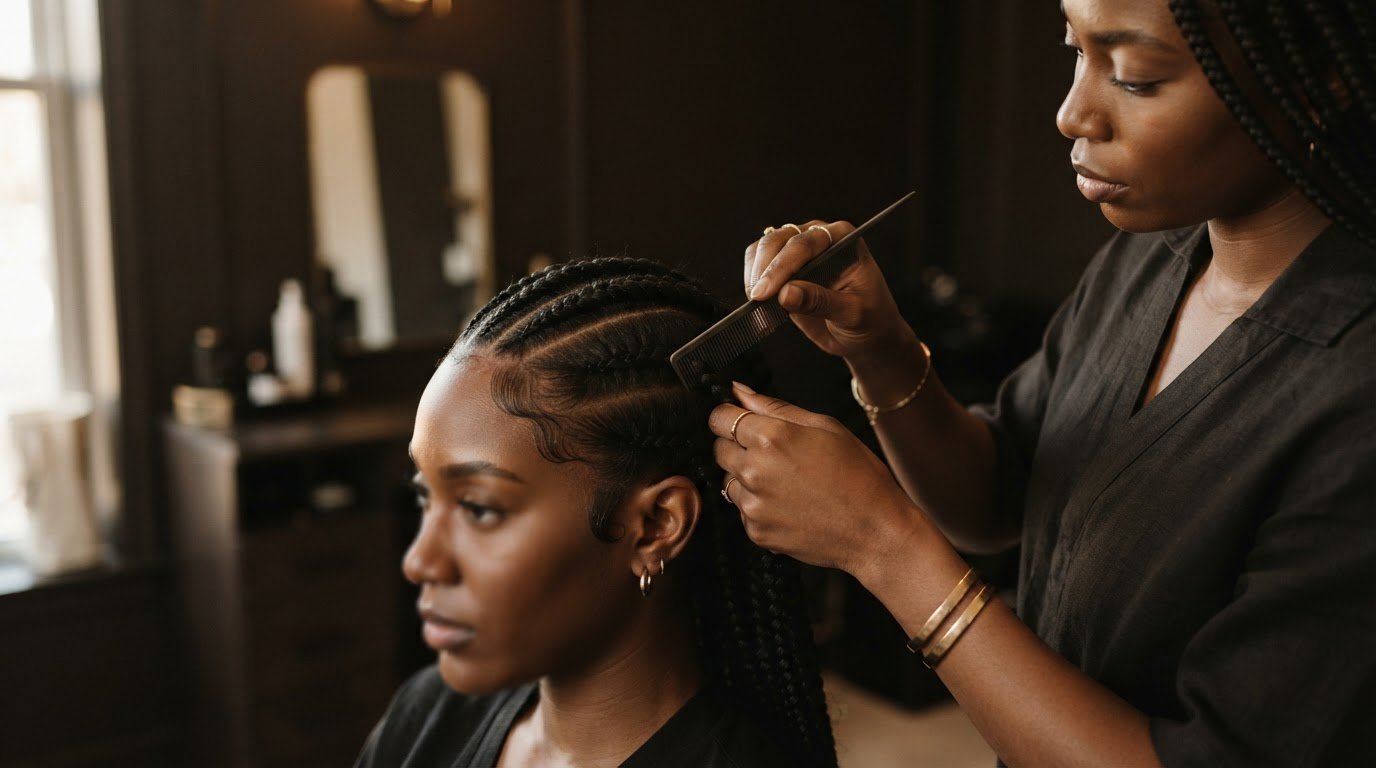
Protective styles help shield your hair from environmental stress and reduce manipulation, which can cause breakage. Some popular protective styles for 4C hair include:
Twists and braids: These styles keep your ends tucked away and reduce tangling.
Bantu knots and updos: Great for keeping hair off your face and protecting edges.
Wigs and weaves: When installed properly, these can give your hair a break from daily styling.
Remember to avoid styles that pull too tightly on your scalp, as this can lead to traction alopecia.
Nighttime Hair Care Routine
Your nighttime routine can make a big difference in maintaining moisture and preventing breakage:
Use a satin or silk bonnet or scarf: These materials reduce friction compared to cotton pillowcases, helping your hair retain moisture and avoid frizz.
Sleep on a satin or silk pillowcase: If you prefer not to wear a bonnet, this is a good alternative.
Moisturize before bed: Lightly spritz your hair with water or a leave-in conditioner and seal with oil or cream.
Choosing the Right Products
Not all hair products work well with 4C hair. Look for:
Natural oils: Castor oil, coconut oil, olive oil, and jojoba oil are excellent for sealing moisture.
Butters and creams: Shea butter and mango butter provide rich hydration.
Sulfate-free shampoos and gentle cleansers: These clean without stripping natural oils.
Protein treatments: Use occasionally to strengthen hair, especially if you notice excessive breakage.
Avoid products with alcohols and harsh chemicals that dry out your hair.
Regular Trims to Promote Healthy Growth
Trimming your hair every 8 to 12 weeks helps remove split ends and prevents breakage from traveling up the hair shaft. Healthy ends mean your hair can grow longer without damage.
Scalp Care Is Essential
A healthy scalp supports healthy hair growth. Keep your scalp clean and moisturized by:
Massaging with oils: This stimulates blood flow and promotes growth.
Avoiding buildup: Use clarifying shampoos occasionally to remove product residue.
Treating dryness or flakiness: Use soothing oils like tea tree or peppermint if you experience itchiness or dandruff.
Embrace Your Natural Hair Texture
Caring for 4C hair is about understanding and loving your natural texture. Avoid heat styling tools that can cause damage and instead explore styles that highlight your coils and curls. Experiment with twist-outs, braid-outs, and wash-and-go styles to find what works best for you.
Taking care of 4C hair means focusing on moisture, gentle handling, and protective styling. By following these tips, you can keep your hair healthy, strong, and beautiful. Start with small changes in your routine and watch your hair thrive. Your 4C hair deserves the best care, and with patience and consistency, you’ll see the results.


Amazing