


Sisterlocks Maintenance Schedule: A Calm, Practical Guide

What if your Sisterlocks maintenance schedule works best as a steady rhythm, not a date you have to follow no matter what? It’s natural to wonder whether new growth means your roots need attention now, or whether you can wait a little longer. Retightening is often scheduled every 4 to 6 weeks, but your ideal timing can vary with your locs and their development.
You’re right to want a schedule that keeps your locs cared for without retightening too often. Visible new growth can be normal, so look at changes in context rather than treating every bit of growth as a signal to book right away. Your stylist can help set timing around how your hair is growing and how your locs are settling.
This guide explains what retightening appointments involve, what to notice between visits, and how to discuss a schedule that suits your locs. A few simple notes about comfort, growth, and changes to your routine can make those conversations more useful.
What Does a Sisterlocks Maintenance Schedule Actually Include?
A Sisterlocks maintenance schedule is a plan for professional appointments to tend to root growth and the structure of your locs as they develop. It gives you a practical rhythm for care, with room to adjust as your hair changes.
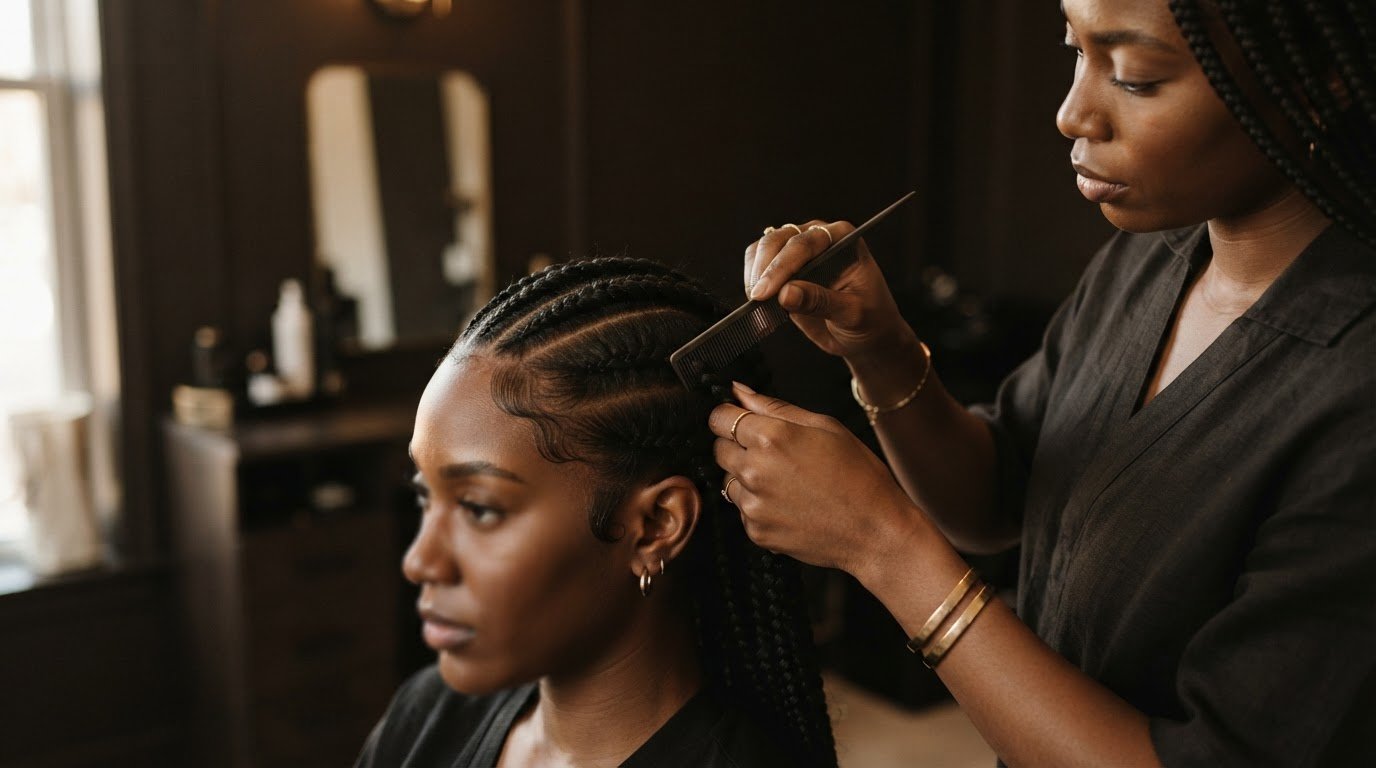
Maintenance usually centers on retightening, where a stylist works with new growth near the roots to continue the established locking pattern. The appointment is also a chance to review how your locs are progressing and discuss anything you’ve noticed. The approach can vary with your hair and its needs, so each visit may not be identical.
Retightening is separate from washing, moisturizing, or styling at home. Those care tasks happen between professional appointments and should follow your stylist’s guidance. A wash or new style doesn’t replace retightening, and visible new growth alone doesn’t determine when a visit is due.
Sisterlocks are a specialized form of locs within a broader tradition. For additional background, explore the History and cultural context of dreadlocks. Here, the focus is the practical care plan you and your stylist can use to tend to your locs consistently.
What happens during a maintenance appointment?
Your stylist assesses new growth and the condition of your locs before deciding how to proceed. Retightening carefully tends to the roots so the locs continue in their established pattern. You can also share changes you’ve noticed, such as how your roots feel or how your locs are behaving. Styling can be discussed separately, but it isn’t the same service as retightening.
Why a fixed interval may not fit every set
Locs don’t all develop in the same way. Their maturity, your rate of new growth, and your maintenance needs can influence the timing that works for you. A schedule that suited you earlier may need review as your locs settle or your routine changes. Treat timing as an ongoing conversation with your stylist, not a universal rule or a deadline triggered by visible roots.
To make that conversation more specific, note what you see and feel between visits. Your stylist can consider those observations alongside the condition of your locs and help shape a manageable plan. The goal is consistent care, not a perfect-looking root line every day.
How Sisterlocks Retightening Timing Changes as Your Locs Mature
Your Sisterlocks maintenance schedule can evolve as your locs develop. Think of timing as a plan to review with a professional, not a fixed rule you have to follow forever. Your stylist can consider your locs’ progress, your observations between visits, and how the routine is working for you.
New growth is useful to notice, but it isn’t a deadline on its own. Your stylist also considers how your locs are holding their pattern and whether their feel or condition has changed. For a broader overview of Sisterlocks and care, see Understanding Sisterlocks maintenance and care.
Early loc development and follow-up
In the early stages, guidance from the professional familiar with your installation can help you understand what to expect as your locs settle. Keep track of root growth, comfort, and any care recommendations. If you’re new to the process, prepare questions ahead of time to make your Sisterlocks consultation more focused.
Rather than choosing a first follow-up date based on someone else’s experience, follow the timing your stylist recommends for your locs. Share changes that concern you. If you’re unsure whether something is part of ordinary development, describe what you see and, if helpful, bring a photo to your appointment.
Established Sisterlocks and a repeatable rhythm
As your locs mature, it may become easier to compare how they look and feel from visit to visit. Your stylist can use those observations to shape a repeatable routine and adjust it when your needs change. A predictable plan can make appointments easier to organize without making the calendar a measure of your locs’ health.
Between visits, jot down a few simple notes:
How your roots look and feel compared with your last appointment.
Any changes in scalp comfort or in how your locs are holding their pattern.
Questions about your care routine or your stylist’s suggested timing.
These notes aren’t a diagnostic checklist. They’re a useful record, especially when a change is gradual and hard to recall later. Your stylist can consider the full picture and explain whether your routine still suits your locs.
For individualized guidance as your locs develop, book Sisterlocks maintenance at Phemmie’s Place in Glen Burnie. A focused conversation can help you leave with a clear plan for your hair.
What Can Change Your Sisterlocks Maintenance Schedule?
Your roots can look different from one visit to the next, but visible growth alone doesn’t tell you whether retightening is due. A useful sisterlocks maintenance schedule takes into account how your locs are developing, how comfortable your scalp feels, and what your day-to-day care looks like.
Maintenance timing should reflect your locs and professional guidance, not one visible sign or a calendar rule. Use the factors below to guide a conversation with your stylist. They aren’t a diagnostic checklist, and none automatically means you need an appointment right away.
Loc maturity: Your stylist can consider how established your locs are and whether their needs have shifted.
Visible new growth: Notice what you see at the roots and whether it differs from your usual pattern. Growth is useful context, not a standalone deadline.
Comfort: Pay attention to how your scalp and roots feel. Discuss discomfort rather than ignoring it until a scheduled date.
Daily routine: Changes in your schedule or care habits may affect what appointment rhythm feels practical.
Growth, loc development, and scalp comfort
Observe your roots without trying to judge the integrity of each loc. Notice broad changes, such as whether new growth looks different from your last visit, and describe what you see in plain language. Your stylist can assess your locs more closely. If your scalp or roots feel uncomfortable, bring it up rather than relying on the calendar alone. You don’t need to diagnose the cause yourself; simply share what you’re experiencing.
For example, you might say, “The roots feel different from my last appointment,” or explain when the discomfort began. Clear observations give your stylist useful context without requiring you to decide what the change means.
Lifestyle, care habits, and loc type
Your routine matters, too. Changes in how you care for your hair or organize appointments are worth discussing when planning maintenance. Share what has changed, and your stylist can consider it alongside your locs’ development. Follow the care guidance you’ve received rather than changing your routine to force a particular appointment interval.
Sisterlocks and microlocs are related loc journeys, but their methods and maintenance needs can differ. If you’re comparing the two, the guide to Sisterlocks versus microlocs offers a closer look. For schedule planning, focus on your own locs, comfort, and care routine, then bring those details to your stylist.
How to Care for Sisterlocks Between Maintenance Appointments
Simple, consistent care can help you feel more at ease between visits. Follow your stylist’s instructions, since care needs can vary. Keep track of what you’ve been advised to do and what you want to discuss at your next appointment.
A gentle routine for everyday care
Use these steps to keep your care practical without treating every change as a concern:
Follow your stylist’s guidance. Use the care instructions given for your Sisterlocks. Avoid adding products or changing washing and drying habits based on general advice that may not suit your locs.
Observe without overhandling. Notice how your roots and scalp feel and whether you see a change from your usual pattern. You don’t need to pull, separate, or test your locs to assess them.
Keep brief appointment notes. Write down questions, care changes, or observations you’d like to share. A short note can help you describe a gradual change clearly at your next visit.
Home care and professional retightening have different roles. Washing, moisturizing, and styling should follow the guidance for your hair; they don’t replace professional maintenance in your sisterlocks maintenance schedule.
Resist retightening your own roots just to make them look neater or reach a target date. Retightening uses a specific technique, and attempting it without guidance from the professional who maintains your locs may disrupt your care plan. If you’re interested in hands-on maintenance, discuss appropriate instruction with your stylist first.
When to discuss a schedule change
Routine observations can usually wait for your next appointment. If a change feels persistent, unexpected, or uncomfortable, discuss it sooner. You don’t have to decide what it means or diagnose the cause. Describe what you’ve noticed and let the professional caring for your locs guide the next step.
Routine observations: Note visible root growth or a gradual change in how your locs look, then bring it up at your scheduled visit.
Reasons to reach out sooner: Share ongoing discomfort or a sudden change that concerns you instead of waiting for a calendar date.
Don’t pull or manipulate the roots to make them fit a schedule. Your stylist can consider your observations alongside the condition of your locs and help decide whether appointment timing should change. A clear conversation is more useful than trying to correct something at home.
For personalized guidance between appointments, book Sisterlocks maintenance at Phemmie's Place in Glen Burnie.
Planning Sisterlocks Maintenance in Glen Burnie with Personal Guidance
A maintenance plan should suit your locs rather than copy someone else’s routine. Your stylist can consider how your Sisterlocks are developing, what you’ve noticed since your last visit, and what feels manageable for your care needs. As your locs change, you can review the plan together.
At Phemmie’s Place in Glen Burnie, Sisterlocks maintenance is personalized to your hair and its needs. Discuss questions about roots, comfort, or timing, along with any changes to your routine. Your appointment is a chance to get guidance suited to your locs.
What to bring to a maintenance conversation
You don’t need a detailed report. A few simple notes can help your stylist understand what you’ve experienced since the last visit. Describe what you’ve noticed without trying to diagnose the cause.
The date of your most recent maintenance appointment, if you know it.
Any changes in visible growth or how your locs feel.
Whether you’ve noticed discomfort, and when it tends to occur.
Changes in your daily care routine or questions you’d like answered.
For example, mention that your roots feel different or that your routine has changed. Your stylist can consider those details along with the condition and development of your locs. You don’t have to arrive knowing whether the schedule should change; you can discuss that together.
Choose a schedule that feels manageable
A consistent, personalized rhythm can make appointments easier to plan and help you feel more confident between visits. It doesn’t have to stay exactly the same forever. If your locs develop or your needs shift, bring that up and review the plan with your stylist. Questions about timing are a normal part of caring for Sisterlocks as you learn what works for your hair.
The right Sisterlocks maintenance schedule is shaped around your locs and professional guidance, then adjusted when there’s a reason to review it. Keep your observations simple, share them openly, and follow the care advice you receive. That gives you a thoughtful starting point without turning every visible change into an urgent concern.
Sisterlocks maintenance at Phemmie’s Place is by appointment, so plan a visit rather than arriving as a walk-in. If you’re ready to discuss your locs’ needs and find a practical maintenance rhythm, explore Sisterlocks maintenance at Phemmie’s Place.
Make Your Next Maintenance Step Feel Clear
You don’t need every answer before planning your next visit. Start with what you’ve noticed, what feels comfortable, and the questions you want to ask. Those details can turn uncertainty about your sisterlocks maintenance schedule into a plan that feels considered and manageable.
Your loc journey will continue to change, and your care can change with it. Use your next appointment to share what’s new and get guidance that fits your hair today. Gentle consistency matters more than trying to match someone else’s calendar.
When you’re ready to take the next step, explore Sisterlocks maintenance at Phemmie’s Place in Glen Burnie. Book an appointment to discuss your locs and plan a maintenance routine that works for you.
Frequently Asked Questions
How often should Sisterlocks be retightened?
Many Sisterlocks wearers follow a retightening rhythm of about 4 to 6 weeks, with timing adjusted to their locs and professional guidance. Treat that range as a starting point, not a personal deadline. Your stylist can recommend timing based on your locs’ development and care needs. If you’re receiving Sisterlocks care in Glen Burnie, bring timing questions to your appointment so your plan feels clear and manageable.
Can I wait longer between Sisterlocks maintenance appointments?
Possibly, but don’t extend the time between visits just because your roots look manageable. Before changing your next appointment, tell your stylist what’s prompting the delay and discuss how it fits your care plan. A schedule conflict, for example, is useful context. Your stylist can help you choose a practical next step without relying on appearance alone or assuming a longer gap suits every set of locs.
What happens if I miss a Sisterlocks retightening appointment?
Missing an appointment doesn’t automatically mean something is wrong, but reschedule and explain how long it has been since your last visit. Your stylist can assess the additional new growth and determine an appropriate approach for that appointment. Don’t try to make up for the missed visit by tightening roots yourself. A calm check-in helps your stylist plan care based on what your locs need now.
How do I know when my Sisterlocks need maintenance?
There isn’t one visual sign that confirms it’s time. Compare your roots and locs with how they looked after your last visit, and note changes that stand out. A quick photo in similar lighting can help you describe gradual changes. If you notice persistent discomfort or an unexpected change, share it with your stylist rather than trying to diagnose it. Your appointment plan should reflect their assessment as well as your observations.
Can I retighten my Sisterlocks myself between appointments?
Don’t retighten your roots on your own unless you’ve received appropriate instruction from a professional familiar with your locs. The technique takes care and consistency, and experimenting may disrupt your established pattern or create tension. If you’re curious about learning, discuss it with your stylist before trying anything. Until then, follow your care guidance and leave root maintenance to the professional who understands your Sisterlocks journey.
Does the Sisterlocks maintenance schedule change as locs mature?
Yes, your timing may be reviewed as your Sisterlocks develop. Early on, your stylist may focus closely on how the locs are settling; established locs can offer a clearer pattern to discuss over successive visits. Track what changes between appointments and bring those observations to your stylist. The goal is a routine that continues to suit your locs, not an interval that stays fixed regardless of how they develop.
How should I care for my Sisterlocks before my next appointment?
Follow the care instructions your stylist gave you rather than changing your wash routine or adding products to prepare for a visit. If you’re unsure whether a planned style or care step is suitable, discuss it with your stylist before making a change. Keep a short note of what you’ve done and any questions that come up. That gives your stylist helpful context and lets you arrive ready to discuss your locs without overhandling them.


Comments