


Braids Without Hair Damage: How to Reduce Tension and Strain

A protective style can still put your hair under strain. Braids and twists may cause mechanical damage through tension, tugging, tangling, and split ends. To wear braids without hair damage, keep tension low, especially around your edges, and choose a style that feels comfortable at the roots.
It makes sense to want a style that looks beautiful and gives your hair a break. But pain or persistent pulling shouldn’t be treated as part of the process. Large, heavy braids can strain fine hair, while a gentler installation can help reduce stress on your roots.
This guide explains how tension and friction can affect your hair, what you can do to care for your edges, and how to choose a braiding professional who considers your comfort and hair needs. You’ll also find practical steps for caring for braids and twists, from installation through takedown, so you can make a more informed choice for your next style.
1. Can protective styles damage your hair?
Yes. Braids and twists can contribute to breakage if they pull at the roots, weigh down strands, or stay in too long without proper care. A protective style reduces some daily handling, but it still requires gentle installation, scalp cleansing, and careful takedown.
Choose a braid size and style that suit your hair’s strength and density. Large, heavy box braids can strain fine hair at the roots. Knotless braids and loose cornrows may create less tension than tighter styles, but neither should feel painful. If your hair is fragile or damaged, choose a loose, lightweight style and avoid unnecessary added weight. Braids don’t repair existing damage, so reducing tension and handling is essential.
How long can you safely keep braids in? Braids typically last between 4 and 8 weeks, but remove them sooner if they become uncomfortable or difficult to keep clean. Box braids can last up to six weeks, so don’t treat a style’s possible duration as a reason to keep it in when your hair needs a break.
Do extensions or added braid hair increase the risk of hair damage? They can. Added hair increases the weight on your roots, especially in large braids or when your natural hair is fine. Choose a lighter installation and pay close attention to tension around your edges.
Prepare your hair before braiding by gently detangling it, cleansing your scalp, and conditioning the lengths. Start with clean, fully dry hair, and work through knots in small sections rather than tugging. A smooth, detangled base makes installation easier and reduces pulling.
Care for your scalp while the style is in. Lightly cleanse it with a gentle shampoo every 7 to 10 days to remove buildup. After swimming or working out, rinse and shampoo your braids or twists. Let your hair dry fully before sleeping, and use a bonnet, scarf, or satin pillowcase to reduce friction.
Takedown requires the same patience as installation. Undo each braid or twist carefully, then detangle before shampooing. Start at the ends and work upward in small sections to loosen shed hair and knots without forcing them. Once the style is out, use clarifying shampoo and deep conditioner to cleanse and restore moisture.
Give your scalp a break between protective styles so it has time to recover. If you’ve worn braids or twists continuously, don’t rush into another tight installation. Gentle handling, cleansing, and a suitable style make braids without hair damage a more realistic goal.
2. How braids and twists can cause mechanical damage
Mechanical damage occurs when repeated physical stress weakens or breaks hair strands. With braids and twists, tension at the roots, tugging during styling, tangles, and split ends can all contribute. A braid may look smooth while tight sections pull on individual hairs. Repeated brushing or rubbing in the same area can add friction and strain.
Every style involves different handling. Two-strand twists bring two sections together, with or without extensions. Fulani braids combine cornrows and loose braids, sometimes with beads or other accessories. Beads add weight to the strands they’re attached to, while tight cornrows pull close to the scalp. Consider where a style places weight and movement, especially around the hairline.
Extension texture and installation matter, too. Senegalese twists use synthetic extensions to create a rope-like shape, while Marley twists use kinkier, coarser extensions. Either style can add weight at the roots, and friction between extensions and natural strands can encourage tangling. Heavy or tightly secured sections put more stress on your hair than a balanced, comfortable installation.
Look for practical signs of strain while wearing your style. A braid that repeatedly catches on clothing can tug at its base. Loose strands trapped in twists may knot together, and rough handling during styling can split ends. If your head movement causes pulling or a section lifts the skin, that area is under tension. Don’t pull at a snag; gently loosen it with your fingers.
For takedown, use clips to separate sections, your fingers to loosen knots, and a wide-tooth comb to detangle. Work through one braid or twist at a time, keeping loose hair apart from unfinished sections. If you cut extension hair, leave at least two to three inches below the ends of your natural hair to avoid snipping your own strands. Then carefully unwind the style instead of pulling it apart.
Once a section is free, use your fingers to remove shed hair before combing. Start at the ends and work upward in small steps to keep tangles from tightening into mats. Avoid rushing through a full head of braids or twists in one pass. Working steadily, one section at a time, gives you more control and reduces unnecessary tugging.
If you’d like help with a gentle takedown, explore braids takeout and wash services as part of a careful transition from your current style.
3. Avoiding tension and strain, especially at the edges
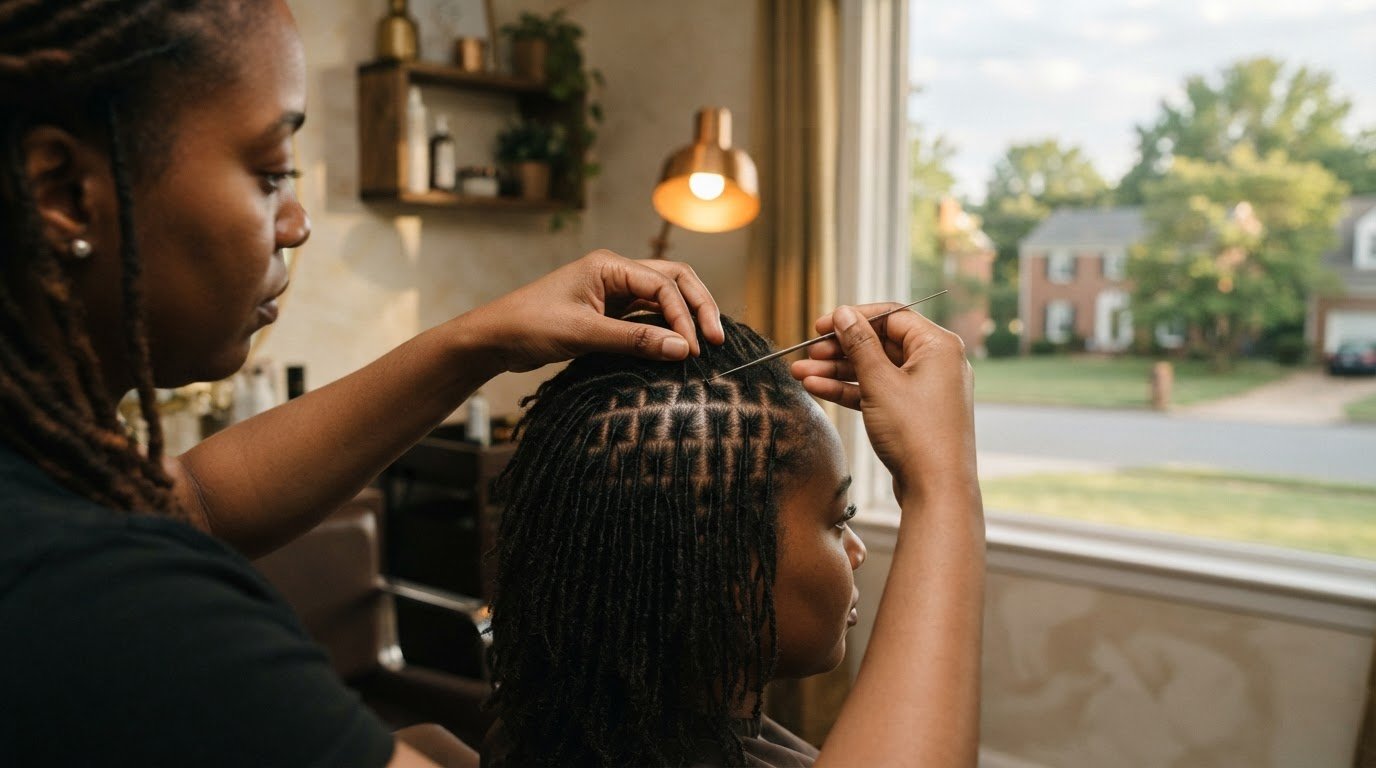
Treat your hairline more gently than the center of your scalp. Fine hairs around the temples and forehead can be strained when braids are too tight or pulled backward. Before styling, point out sensitive areas and ask for a looser finish there. A style shouldn’t tug when you raise your eyebrows, turn your head, or rest your hands near your temples.
Pay attention during installation, not just after you leave. If a section stings, feels sharply tight, or pulls your skin, speak up and ask for it to be loosened. Don’t wait until the whole style is finished. The braider can adjust the tension while working on that section. A comfortable braid should feel secure without making you wince.
The first 24 to 48 hours after braiding are a sensitive period for managing tension. Notice whether your edges feel increasingly sore or whether a style pulls when you sleep. Avoid tight ponytails that draw the braids toward your hairline. Letting the style hang naturally reduces extra tugging from pins, bands, or repeated restyling.
Consider the weight and placement of added hair. A long, heavy braid near the temple can pull more than a lighter section. With cornrows, ask for a pattern that avoids a hard pull at the front or sides. A gentler layout is especially important where hair is fine or already fragile.
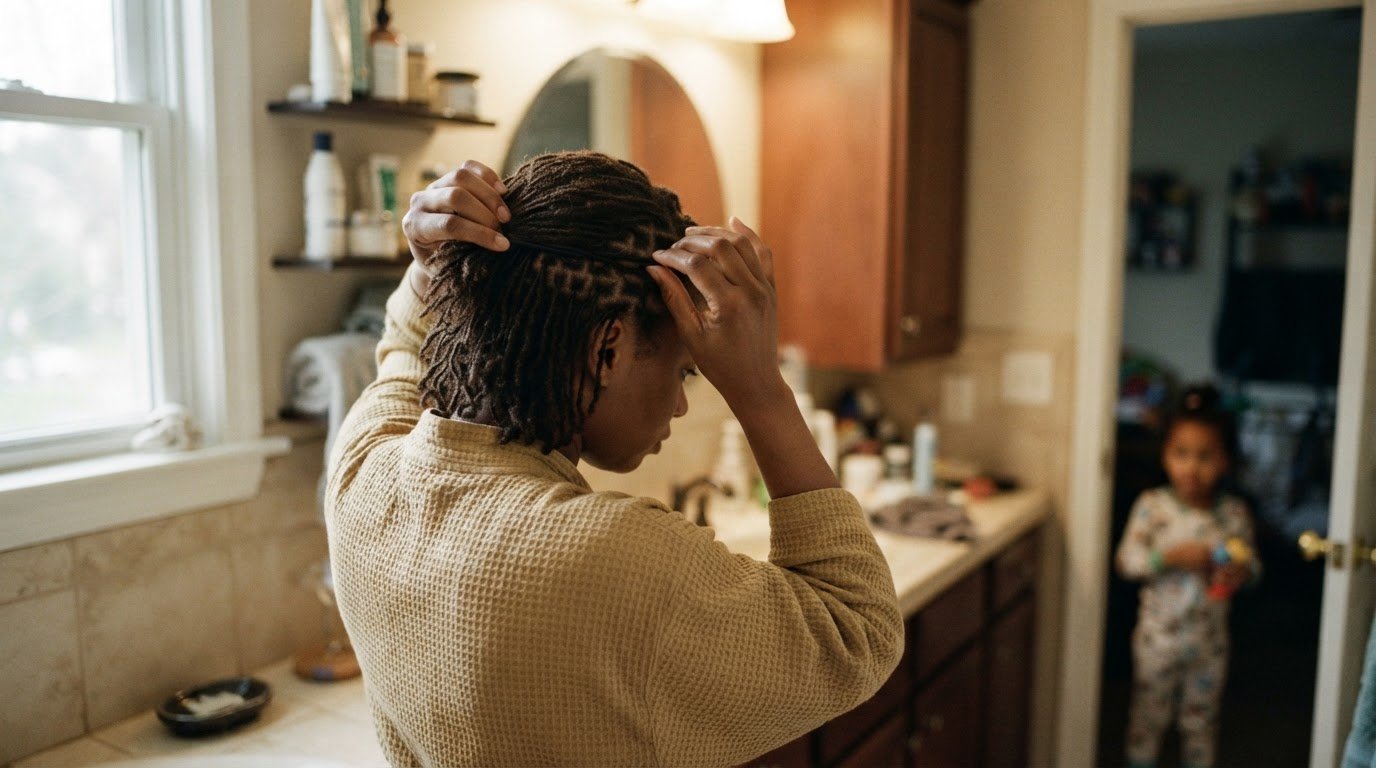
Daily handling can add strain even when installation feels comfortable. Use your fingertips to cleanse your scalp rather than scrubbing braids against your hairline. After exercise or swimming, rinse and shampoo gently to remove sweat and buildup. Blot your hair with a towel instead of rubbing the edges, and let braids fall naturally rather than pulling them into a tight style.
Reduce friction at night with a bonnet, scarf, or satin pillowcase. These options limit rubbing as you move in your sleep. If a braid catches on a scarf, loosen the wrap instead of pulling the braid free. During the day, avoid repeatedly twisting, swinging, or gripping the same sections near your edges, since that movement can tug at the roots.
Persistent scalp redness or severe pain after braiding calls for professional advice. Don’t try to cover symptoms by tightening a head wrap or adding more product. If tenderness begins during installation, ask for an adjustment then. Lower-tension styles, such as knotless braids or loose cornrows, can help reduce strain while keeping the hairline in view.
4. Choosing a professional braiding service
A careful braiding service begins with your hair, not a one-size-fits-all pattern. A stylist should consider your hair’s length, thickness, density, and edge condition before choosing a braid size. Fine strands may need smaller, lighter sections than dense hair. This planning helps balance the look with the weight each section carries.
Clear communication matters before the first part is made. Tell your stylist where your scalp feels tender, whether previous braids caused breakage, and how you want to wear the finished style. A thoughtful stylist can use those details to adjust placement and tension. For example, they can braid the hairline more loosely rather than pulling every section firmly backward.
Notice how the installation feels as it progresses. You should be able to speak up if a section stings or pulls. The affected braid can be loosened before the stylist continues, rather than leaving you to endure discomfort. Proper technique should hold the style securely without making your scalp feel sharply tight.
Extension choices affect the result, too. A stylist can help match added hair to your natural strands and the intended braid size, while keeping weight in mind. Balanced sections can reduce unnecessary strain. Choose a design that suits your hair’s strength instead of relying on heavy braids for length or fullness.
Aftercare is part of a thoughtful braiding service. A professional braider can explain how to cleanse your scalp, dry your braids after washing, and reduce friction while sleeping. They can also describe signs that mean a style should be loosened or removed, such as persistent pulling or scalp redness. Clear guidance helps you care for your hair between appointments.
How much do protective braids cost in the United States? The price depends on the case and is given after a quote request. Hair length, thickness, chosen style, and the amount of work involved affect the quote.
Look for a braiding service that considers your hair, uses tension-conscious installation, and provides clear aftercare guidance. No professional can promise that breakage will never happen, but a stylist can adapt the braid plan to your hair and respond to discomfort during installation. That care matters when choosing a service for braids without hair damage.
A professional braider can help reduce tension, balance added hair, and guide you through aftercare, supporting careful care from installation to takedown.
5. How to braid hair without causing damage
A lower-strain braid starts with a plan for your hair. Before styling, consider its thickness, strength, and current condition. Fine or fragile strands may need smaller, lighter sections than dense hair. Choose a style that doesn’t rely on pulling at the roots for a neat finish. If your edges feel tender, keep those sections especially light and loose.
Start with clean, detangled hair and divide it into manageable sections. Gently work through knots before braiding rather than forcing a comb through resistant strands. Even partings and steady handling help avoid sudden tugging. Keep your head in a comfortable position, too. If a section pulls as it’s formed, pause and adjust before continuing.
With knotless braids, the natural hair is braided first, and extensions are added gradually as each braid takes shape. This avoids anchoring all the added hair at the root in one step. Keep each section balanced and don’t add more extension hair than your natural strand can comfortably support. Braids should feel secure, not tight or painful.
After installation, care for your scalp without rough handling. Use your fingertips to apply a gentle cleanser and rinse product from the parts. After swimming or exercising, rinse and shampoo braids or twists gently to clear sweat and buildup. Moisturize your hair, and consider using a light oil once a week. Avoid coating your scalp with heavy layers of product.
Protect your style from friction. A bonnet, scarf, or satin pillowcase can reduce rubbing while you sleep. If a braid catches on fabric, free it gently instead of pulling. When gathering braids, use a loose tie and avoid repeatedly securing the same sections near your edges. Small daily choices can prevent unnecessary tugging at the roots.
Give your hair time between installations. After wearing a natural style, wait at least 1-2 days before another protective style. For hair health, ideally wait 2-3 weeks before getting a new protective style. Use the break to cleanse, condition, and notice whether your scalp or edges need extra care before braiding again.
For your next style, choose a method that suits your hair and comfort. Explore braid styling options and make a plan that keeps tension low from preparation through aftercare.
Using hair oil once a week may help minimize breakage. Apply it gently as part of your aftercare, and continue to avoid heavy layers of product.
Phemmie's Place: Knotless Braids
Phemmie's Place offers Knotless Braids, with extensions added gradually as each braid is formed. Because the natural hair is braided first, this technique avoids anchoring all the added hair at the roots at once. The right installation still depends on comfortable tension, a suitable braid size, and careful attention to your edges.
If you're considering a protective style, choose one that suits your hair and scalp. Knotless Braids, Boho Braids, Box Braids, and Sisterlocks & Microloc Services offer different styling options. Think about how you want to wear your hair and how much maintenance you can manage.
For a calm next step, contact Phemmie's Place or visit phemmplc.com.
Choose a style with care for your next chapter
Your next protective style is an opportunity to choose with intention. Consider how you want it to feel at the roots, how you’ll care for it each day, and what your hair needs before another installation. Braids without hair damage start with comfort and gentle handling built into the plan, not treated as afterthoughts.
Phemmie’s Place offers Knotless Braids, Boho Braids, and Box Braids, giving you several styles to consider for your next look. Share your preferences and hair-care priorities so your choice feels personal and well considered.
Ready to explore a style that suits you? Contact Phemmie's Place today and take your next step with care.
Frequently Asked Questions
Can protective styles damage your hair?
Yes. A style intended to protect your hair can still cause mechanical damage if it pulls, snags, or adds too much weight. Heavy braids, for example, may strain fine strands near the roots. Previously weakened areas may also tolerate repeated tension less easily. Pay attention to how your scalp and hairline feel while wearing the style, not just how polished it looks.
What braid styles are least damaging to hair?
Knotless braids and loose cornrows may put less strain on your hair than tighter styles. The best choice also depends on your hair’s density and strength, as well as the weight of any extensions. For fine or fragile strands, choose a lighter installation and avoid oversized, heavy sections. No braid style eliminates the need for gentle handling, but a lower-tension design can reduce strain at the roots.
How tight should braids be to prevent breakage and traction alopecia?
Braids should feel secure without pain, stinging, or pulling your skin. Don’t rely on a specific tightness target; pay attention to how your scalp feels. If a section hurts during installation, ask for it to be loosened before the style is complete. Persistent redness or severe scalp pain after braiding needs professional attention.
How do I prepare my hair before getting braids to prevent damage?
Start with clean, detangled, conditioned hair, and make sure it’s fully dry before installation. Divide it into manageable sections and gently loosen knots with your fingers or a comb, working from the ends upward. Before your appointment in Glen Burnie, tell your stylist about tender areas, fragile edges, or breakage from a previous style. That context helps guide parting and braid placement.
How do I care for my scalp and hair while wearing braids?
Lightly cleanse your scalp with gentle shampoo every 7 to 10 days, using your fingertips to reach between the parts. After swimming or exercise, rinse and shampoo to remove sweat and buildup. Add a little hair oil once a week, rather than layering heavy products. After washing, let your braids dry fully before bed, then use a bonnet, scarf, or satin pillowcase to limit friction.
How do I remove braids without damaging my hair?
Take down one braid at a time, using clips to keep loose sections separate. If trimming extension hair, cut at least two to three inches below where your natural hair ends. Unravel gently, then remove shed strands with your fingers before shampooing. Detangle in small sections from the ends upward. A wide-tooth comb helps loosen knots without forcing them through your hair.
What are signs that braids are too tight or damaging my hair?
Watch for sharp pulling or stinging during installation, persistent scalp redness, or severe pain afterward. Braids that tug when you turn your head or gather your hair can also signal excess strain. Check your edges for increased shedding or broken strands. Don’t cover discomfort with a tight wrap or another style. Loosen or remove the source of tension, and seek professional advice if symptoms persist.
How much do protective braids cost in the United States

Comments