


How to Prevent Traction Alopecia From Braids and Spot Early Signs

A beautiful braid should never leave your scalp hurting. Learning how to prevent traction alopecia from braids starts with keeping tension gentle, especially around the hairline. Repeated pulling can damage follicles, and continuing to wear tight styles can make hair loss harder to reverse.
It’s understandable to want braids that feel secure and stay neat. But soreness, stinging, bumps, short broken hairs, or thinning near your temples can signal that your scalp needs a break. Noticing these signs early helps you respond with care.
This guide explains how tight braids can cause traction alopecia, which scalp and hairline changes to watch for, and when to consult a health care provider. You’ll also learn how gentler styling habits can reduce strain. A softer approach can make braiding more comfortable for you and your scalp.
What is traction alopecia?
Traction alopecia is hair loss caused by repeated pulling on the hair. Ongoing tension can loosen the hair shaft inside its follicle, leading to thinning or breakage. Tight braids can create this strain, especially where they pull at the hairline. If tension continues, hair loss may become permanent as scarring develops.
Braids aren’t the only hairstyle that can pull on follicles. Tight cornrows, ponytails, buns, dreadlocks, extensions, and weaves may also contribute when worn often. Long braids can add weight, while narrow braids may concentrate tension on small sections. Even an elastic band securing a ponytail can tug at the roots.
Other repeated styling practices can add strain between braid appointments. Tight headbands can pull at the sides of the scalp, and overnight rollers can put pressure on hair. Chemical treatments, including perms, relaxers, and keratin treatments, may also contribute. Frequent heat styling can damage hair and make it more vulnerable to breakage.
How long can you safely keep braids in? To help prevent traction alopecia, keep braids or locs in for no longer than 6-8 weeks. University of Iowa Health Care advises leaving braids in for 2 to 3 weeks to help prevent traction alopecia. Take them down sooner if they hurt or irritate your scalp.
How should you care for your scalp and hair while wearing braids? Keep the style loose, especially around your hairline, and loosen or remove braids that cause pain or irritation. Check your scalp for discomfort and visible changes. Avoid adding tension with tight ponytails or buns, and handle your hair gently when securing it.
Alternating hairstyles gives the same sections of hair a break from constant pulling. After cornrows, switch to loose braids or wear your natural hair for a few months. Wearing your hair down can also reduce tension. If you tie it back, choose a loose, low ponytail or bun instead of pulling it tightly against your scalp.
Style choices can make a practical difference: shorter, thicker braids weigh less and pull less than long, thin braids. Between styles, let your hair rest instead of moving straight from cornrows into another tight look. These changes reduce repeated strain. Pain during installation is a warning to loosen or redo the braids, not something to push through.
When to consult a health care provider or dermatologist
Seek medical care for persistent scalp symptoms, visible thinning, or hair loss along your hairline. Early assessment can help identify traction alopecia and other possible causes.
Recognizing When to Seek Care
Consult a health care provider or dermatologist if discomfort continues after loosening or removing a tight style. Scalp soreness, swelling, open sores, or thinning deserve attention, especially when they persist or worsen. Early care matters because continued traction can scar hair follicles and prevent regrowth. Don’t wait for a bare patch to appear before seeking an assessment.
A dermatologist can examine your scalp and hairline and consider whether traction explains your symptoms. Hair loss has other possible causes, so the clinician may investigate before recommending treatment. A scalp biopsy can help assess other causes when an examination alone doesn’t provide enough information. Share when symptoms began, which styles you’ve worn, and whether removing tension changed them.
Seek care promptly for open sores, pus-filled blisters, or worsening irritation. These symptoms can require medical attention, not just a styling adjustment. If braids or weaves are irritating your scalp, remove the source of tension. A clinician can assess the affected skin and choose suitable care. Avoid treating a sore or swollen scalp with new products without medical advice.
Reversibility and Dermatologist Care
Early traction alopecia can improve when you stop the tight hairstyle causing the pull. Hair may regrow within months after tension ends, and treating the condition early gives follicles a better chance to recover. Continued pulling can cause scarring and permanent hair loss. That’s why timely assessment matters, even when thinning first seems slight.
A dermatologist can guide care based on scalp findings and the extent of hair loss. Recommendations may include avoiding tight styles, choosing looser braids, and reducing heat or hair products. Treatment depends on symptoms: a clinician may use topical steroids for scalp swelling, antifungal shampoo, or antibiotics for open sores. These options address specific findings, so don’t start them without medical guidance.
For more advanced hair loss, care may involve other approaches. Options can include minoxidil, low-level laser or light therapy, hair replacement, or a hair transplant. These treatments suit different situations, and diagnosis helps determine what to consider. A biopsy, when used, helps investigate other possible causes rather than confirming every case of traction alopecia.
Until your appointment, avoid styles that pull, including tight braids and weaves. Note changes in soreness, irritation, and thinning, and tell the dermatologist what you observe. If symptoms continue after tension stops, arrange medical care rather than waiting for hair to return. A calm, timely assessment can clarify the next steps for your scalp and hair.
Early symptoms of traction alopecia
Early traction alopecia can show up as irritation before obvious hair loss. Small bumps that resemble pimples may appear where tight hairstyles pull on the scalp. Redness, itching, scaling, soreness, or stinging can also signal strain. These changes are easy to dismiss after braids or a tight ponytail, but they deserve attention if they persist.
Pay attention to discomfort during styling and afterward. Pain can mean the braids are pulling too firmly, while scalp tenting suggests the skin is under tension. Crusts, folliculitis, or pus-filled blisters are also warning signs. Loosen or remove a style that hurts or irritates your scalp rather than waiting for visible thinning.
Hair changes can offer another early clue. Look for short, broken hairs or small areas of thinning, especially near the temples and edges. Hair follicles under repeated tension may become irritated before a bare patch appears. Compare both sides of your hairline and notice whether a usual part looks wider or less dense.
Check your scalp every month if you regularly wear tight hairstyles. Use a mirror or ask someone you trust to look at the front, sides, and areas beneath braids. Note new bumps, soreness, broken hairs, or changes in density. A monthly check helps you notice a pattern rather than relying on memory after each style.
Traction alopecia can affect anyone who repeatedly wears styles that pull. African-textured hair isn’t itself a symptom or cause; the concern is tension from styling. Cornrows, braids, or a ponytail can create pulling when installed tightly or worn often. Focus on how your scalp feels and how your hairline changes, rather than assuming a style is safe because it looks neat.
Symptoms can vary across the scalp. One person may first notice bumps near the temples; another may feel stinging where braids meet the hairline. Itching or scaling can accompany soreness, while broken hairs may appear where tension is strongest. Record the location and type of change, such as “itching at the left temple,” so you can describe it clearly during a medical appointment.
If irritation continues, or you notice thinning or broken hairs, consult a health care provider or dermatologist. Early attention matters because ongoing traction can lead to lasting hair loss. Stop wearing the hairstyle that causes discomfort and avoid adding fresh tension while symptoms remain. A clear record of scalp changes can help the clinician assess what’s happening.
Hairline and scalp signs of traction alopecia
The front and sides of the scalp are most often affected by traction alopecia. Look closely at the temples, edges, and areas where braids or extensions anchor. Thinning may follow the natural hairline or appear near a part. Compare the shape and density on both sides. A change in one small area can be easier to spot than general shedding across the scalp.
Short, broken hairs can form an uneven border where longer hair once framed your face. In some areas, hair may look sparse; in others, a small bald spot may appear. These changes can develop where styling repeatedly pulls on the roots. Check whether the affected section lines up with a braid, cornrow, ponytail, or extension attachment.
The scalp itself can show signs before hair loss becomes obvious. Follicles may feel tight or look swollen, and the skin may become sore or irritated. Notice whether discomfort sits along the hairline or follows a row of braids. For example, a tender temple after styling may suggest that tension is concentrated there.
Scarring is a more serious sign of ongoing traction. Continued pulling can damage follicles and lead to permanent hair loss in affected patches. A smooth-looking area with reduced growth needs medical attention, especially if it follows repeated tight styling. Don’t treat a changing hairline as only a cosmetic concern when the scalp also shows swelling, soreness, or other irritation.
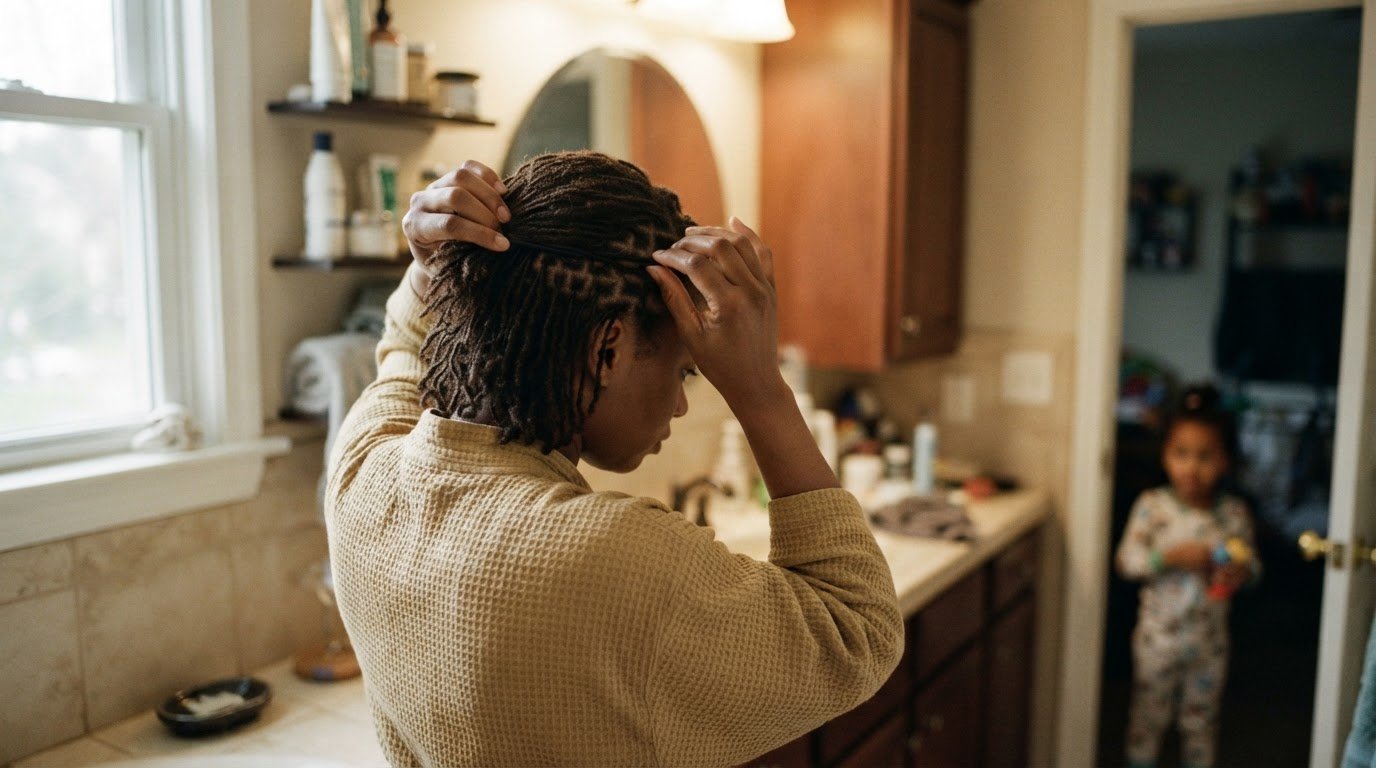
To observe changes clearly, part your hair gently and look at the front, sides, and natural part in good light. Note the exact location of thinning, broken hairs, swelling, or discomfort. For example, record whether a sparse patch sits at the right temple or along a cornrow. This description can help a health care provider understand where pulling may have affected your scalp.
Healthy hairlines can vary naturally, so one uneven edge alone doesn’t establish the cause. The pattern matters: traction-related changes often appear where styles place repeated pull. Look for a combination, such as thinning at both temples, broken hairs along the edges, or a tender area beneath extensions. If signs spread or persist after tension stops, arrange a medical assessment.
Give your scalp a break from styles that pull as soon as you notice changes. Avoid tight ponytails, braids, or extensions over tender areas. If your hairline continues to thin, or you see swelling or possible scarring, consult a dermatologist. Early attention matters because ongoing traction can turn a temporary change into lasting hair loss.
How tight braids can cause traction alopecia
Tight braids repeatedly pull on hair roots, putting strain around each attached section. The tension can loosen hair within its follicle and gradually cause breakage or thinning. At first, the style may simply feel uncomfortable. But pain during braiding is a warning that the pulling may be too strong. A finished look shouldn’t require your scalp to hurt.
Braid installation creates many points of tension across the scalp. If each section is pulled firmly, the hairline and temples can take repeated strain. Cornrows can pull along their rows, while individual braids tug where they begin. Repeating tight styles gives follicles little rest between bouts of pulling.
Yes, extensions or added braid weight can increase traction. Longer, heavier braids pull more on the roots than shorter styles, and repeated wear adds ongoing strain. Thick braids generally pull less tightly than thinner braids. Consider weight and tension together: a lighter style can still hurt if it’s installed too tightly.
Hairline tension deserves particular care. The fine hairs at the edges can be stressed when braids are anchored tightly near the forehead or temples. A pulled look, soreness, stinging, or scalp tenting signals that the installation needs attention. Loosen or redo painful braids instead of waiting for visible hair loss.
Time in a style matters, too. Braids worn too long keep pressure on the same follicles, especially when a style is already tight. Long hair can add weight, and ponytails or buns over braids may create extra pull at the roots. Avoid tying braids tightly back, and give your scalp breaks between styles.
Repeated tension can begin as temporary thinning, but continued pulling may lead to scarring and permanent hair loss. Once follicles become scarred, hair may not grow back in those areas. Removing the source of tension early gives follicles a better chance to recover. If thinning continues after removing a tight style, consult a health care provider.
Other styling habits can add strain, even outside braid installation. Tight ponytails, extensions, weaves, narrow headbands, and rollers worn overnight can pull on hair. Choose loose, low styles when tying hair back, and wrap your hair instead of sleeping in rollers. These small changes reduce added tension around already stressed roots.
For your next look, explore braid styling options with comfort and gentle tension in mind. Speak up if pulling hurts during installation, and ask for the style to be loosened. A neat braid should sit comfortably. Pain is not a necessary part of the procedure.
Phemmie's Place
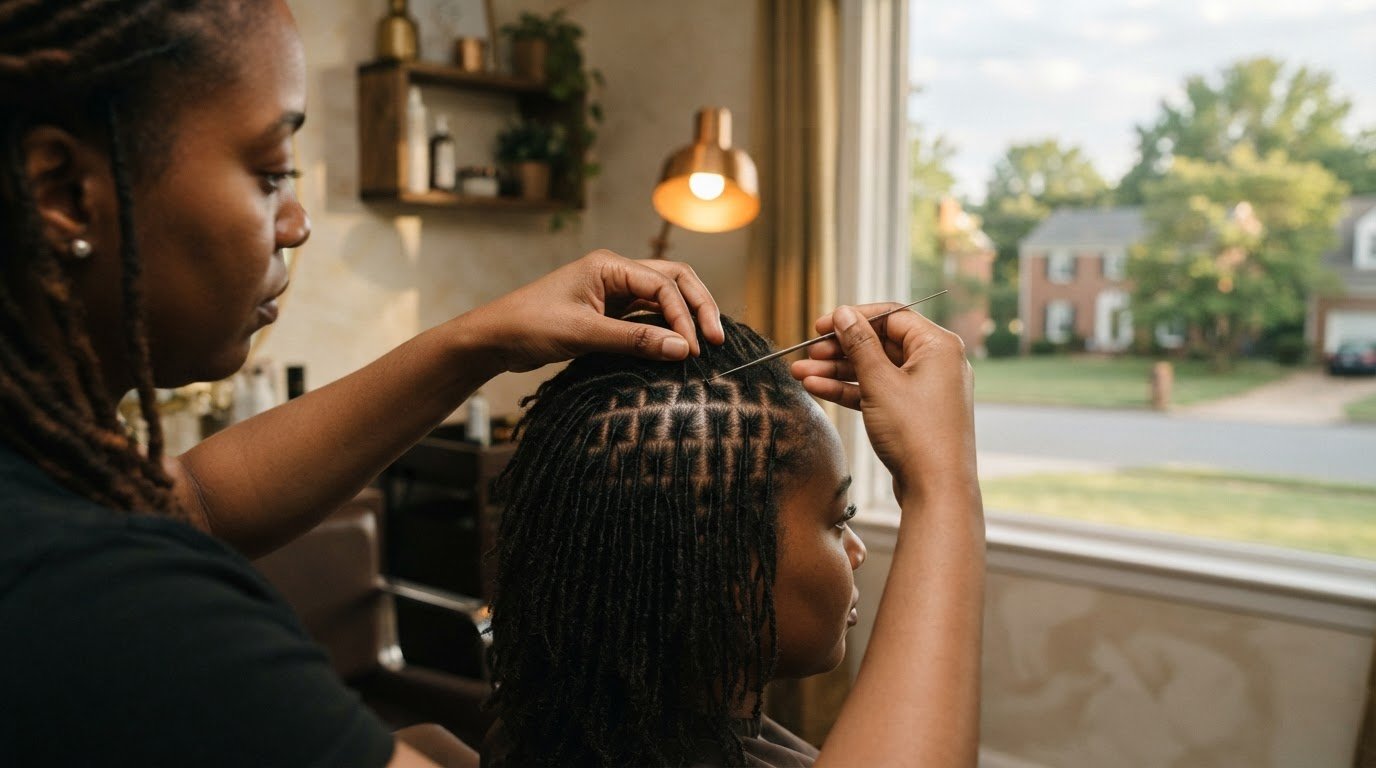
At Phemmie's Place in Glen Burnie, we offer braid and loc styling with scalp comfort in mind. If you want a protective style but are concerned about pulling, share your preferences before choosing a look. Knotless Braids, Boho Braids, Box Braids, and Sisterlocs & Microloc Services offer different styling options, with comfort and gentle tension central to the conversation.
If your scalp is already sore, irritated, or showing hair loss, consult a health care provider or dermatologist before booking another style. A braiding appointment cannot diagnose or treat traction alopecia, but thoughtful styling can help avoid adding unnecessary tension. Contact Phemmie's Place to discuss your braid styling needs.
Choose a gentler path for your next style
Your next hairstyle can reflect both your personal style and your scalp’s comfort. Before choosing a look, consider how you want it to feel throughout the day, not only how it looks when freshly styled. Learning how to prevent traction alopecia from braids means making comfort part of your styling decision. If you’ve noticed ongoing scalp irritation or hair loss, make medical care your next step before arranging another style.
For a future braid appointment, share your comfort preferences and any sensitive areas. Speak up if a style hurts, and choose a look that feels right to you. Your experience matters, and you deserve to feel at ease with your hair.
Contact Phemmie's Place for support as you consider your next styling step. Move forward with care and confidence.
Frequently Asked Questions
How can I prevent hair loss caused by my hairstyle?
Reduce repeated pulling and give your hair breaks between tension-heavy styles. Choose loose styling, avoid tight elastic bands, and wear your hair down or in a loose, low ponytail when practical. If a braid or ponytail hurts, change it rather than waiting for the discomfort to pass. Check your hairline regularly for changes, especially after switching styles or removing braids.
When should I see a dermatologist?
See a dermatologist for persistent scalp soreness, swelling, sores, or visible thinning, especially if these changes continue after you remove a tight style. Bring a short timeline of symptoms and note where thinning or irritation appears. Mention the hairstyles you’ve worn and whether symptoms improved after changing them. A dermatologist can examine your scalp and consider other causes of hair loss.
What causes traction alopecia from braids?
Traction alopecia can develop when braids repeatedly pull on hair roots. Tight installation places tension on follicles, and added weight from long braids or extensions can increase that pull. Repeating tight styles without a break can keep stressing the same areas. Cornrows and braids that hurt during installation are signs to address the tension promptly.
What are the early signs of traction alopecia?
Early signs can include small scalp bumps, redness, itching, soreness, stinging, or scaling. You might also notice short broken hairs or thinning near the temples and edges. Look for changes where braids begin or along a part, rather than focusing only on overall shedding. Persistent irritation, crusts, or pus-filled blisters also call for medical attention.
How tight should braids be to avoid hair loss?
Braids should feel secure without causing pain or pulling your scalp. There isn’t a safe tightness measured by a set number; comfort is the practical guide. If your scalp stings, feels tender, or appears tented during installation, ask for the braids to be loosened. Don’t rely on the style feeling better later. Pain during styling can signal excessive tension.
Which braid styles put the least tension on hair?
Choose short, thicker braids installed loosely, especially around your hairline. Thick braids pull less tightly than thinner braids, while shorter lengths reduce the weight tugging at roots. Loose braids can still create tension, so installation and how your scalp feels matter more than a style’s name. Wearing your hair down between styles also gives pulled areas a rest.
How long should you wait between braided styles?
After cornrows, switch to loose braids or wear your natural hair for a few months to rest from tight styling. To help prevent traction alopecia, dermatologists recommend wearing braids or locs for no longer than 6-8 weeks. University of Iowa Health Care advises leaving braids in for 2 to 3 weeks to help prevent traction alopecia. Remove painful or irritating braids sooner.
Can traction alopecia from braids be reversed, and when should you see a dermatologist?
Early traction alopecia may improve after you stop the hairstyle causing the pull, and hair may regrow within months. Continued traction can scar follicles and cause permanent loss. See a dermatologist for ongoing thinning, scalp irritation, or a changing hairline. A dermatologist can examine your scalp and may take a biopsy to investigate other possible causes of hair loss.

Comments