


How to Stop Hair Breakage From Braids With Gentle Care

Braids can protect your hair, but they may also cause breakage when they’re too tight, too heavy, or worn too long. To lower the risk, choose a comfortable, low-tension style and pay attention to pulling or pain. For many people, braids are best worn for four to eight weeks, with regular scalp cleansing and moisturization.
You don’t have to give up braids to care for your hair. Protect your strands without straining your scalp, and handle your hair gently both while it’s braided and during take-down.
Learn how to spot signs that braids may be causing damage, reduce friction and buildup, and detangle gently. You’ll also see how braids can help limit breakage when installed and maintained carefully, even though they don’t directly stimulate hair growth.
1. Are Braids Breaking My Hair Off?
Braids can cause breakage when they pull too tightly or carry too much added hair. Constant tension strains strands and follicles, especially at the hairline and nape. If the pulling continues, it can cause breakage or traction alopecia, a form of hair loss linked to repeated tension. A protective style should feel secure, not painful.
Pay attention to how your scalp feels during installation and afterward. Sharp pulling, throbbing, or an immediate headache can signal excessive tension. Red bumps around follicles, itching, and persistent tightness are also warning signs. You don’t have to endure discomfort for neat braids. If symptoms appear, tell your stylist promptly and ask them to loosen the braids.
Do some braid styles cause more breakage than others? The style name alone doesn’t determine the risk. Braids are more likely to strain hair when they’re too tight, too heavy, or attached to sections too small for the added hair. For example, heavy extensions on delicate hairline sections can pull more than a lighter installation with suitable section sizes.
Talk about tension before styling begins, then speak up during installation. You can say, “Please keep the hairline gentle,” or “This section feels too tight.” Ask for less added hair or larger sections if the braids feel heavy. A comfortable style shouldn’t cause sharp pulling or make your scalp throb. Clear feedback gives your stylist a chance to adjust tension before completing the style.
How should you prepare your hair for braids? Arrive with clean, detangled hair, and make sure added braiding hair is pre-washed or soaked to remove chemical residues. Synthetic braiding hair can be soaked in hot water and air-dried before installation. These steps prepare the scalp and strands without relying on tight braids to keep the style secure.
Check your scalp after installation and throughout wear. Itching, bumps, ongoing tightness, or tenderness around the hairline and nape deserve attention. If your braids are causing damage or breakage, loosen or remove them promptly. Waiting while tension continues can expose the same areas to repeated pulling.
When should you see a dermatologist for hair breakage from braids? If you notice breakage, hair loss, or scalp changes, remove or loosen the style and consider seeing a board-certified dermatologist, especially if symptoms are severe or persist. A dermatologist can assess thinning edges, irritated follicles, and areas where hair no longer grows. Acting early helps prevent continued tension from adding to the damage.
2. Protecting hair from environmental damage and friction
Braids can help shield natural and textured hair from wind and sun exposure. Keeping strands together can also limit friction, tangling, and the need for frequent combing or heat styling. This protection depends on gentle upkeep. Friction at night, product buildup, or wearing a style too long can undermine the benefits.
How long can you safely keep braids in? For many people, braids are best worn for four to eight weeks, with regular cleansing and moisturization. Remove them sooner if your scalp feels uncomfortable or your hair shows signs of damage. The style should support a manageable routine, not prevent you from caring for your scalp.
At bedtime, cover your braids with a satin or silk scarf or bonnet, or use a satin or silk pillowcase. These smooth fabrics can reduce friction as you move against bedding. If your scarf slips off, a bonnet may stay in place more comfortably. Gather your braids gently rather than pulling them into a tight bedtime style.
Protective care also means keeping your routine simple. Cleanse your scalp to manage buildup, and moisturize your hair so it doesn’t become dry and brittle. Limit tight ponytails, repeated brushing, and added heat. For example, switch between a loose down style and a gentle braid gathering instead of securing the same areas under tension every day.
How should you remove braids without damaging hair? Work patiently, one braid at a time. Before taking them down, soften the hair with water or leave-in and slip for 10-15 minutes. Undo each braid gently, then separate shed strands with your fingers before using a comb. Rushing through tangled sections can snag hair that has been held together in the style.
How long should you wait between braid styles? Give your scalp and strands time without braid tension before installing another style. The right pause depends on how your hair and scalp feel after take-down. Use the break to cleanse, moisturize, and detangle gently. If tenderness or breakage remains, let your hair recover before adding more weight or tension.
If you’d like support with a gentle take-down and cleansing routine, explore braid takeout and wash services. A careful transition from braids gives you space to cleanse your scalp and handle loose strands with patience.
For natural or textured hair, braids can be a low-maintenance protective style that reduces the need for heat styling or frequent handling. Their purpose is to simplify everyday care, not replace it. Consider whether braids help you avoid unnecessary styling steps. If not, adjust your routine so the style stays manageable.
Braids can protect hair from environmental exposure, including wind and sun. They’re one option for limiting exposure while keeping hair in a protective style. This benefit can complement reduced heat styling and less frequent handling. A braid routine is useful when it supports those aims without making hair care more demanding. For natural or textured hair, the low-maintenance approach can be appealing, with environmental protection as another reason to choose braids.
3. Cleansing the scalp and controlling buildup
Braided hair still needs scalp care. Sweat, oil, and styling residue can collect between rows, leaving the scalp uncomfortable. Regular cleansing and moisturization help reduce the risk of braid-related damage. You don’t need to shampoo your entire head every week, but you should cleanse your scalp and manage buildup. Adjust your routine if residue or discomfort appears.
How do you care for your scalp and braids without causing breakage? Cleanse gently along the parts, rinse away residue, and moisturize without pulling at the roots. Work in small sections, using your fingertips instead of scratching with your nails. Keep the braid lengths steady as you wash so you don’t tug on the hairline.
Start by separating the braids enough to reach the exposed scalp. Apply cleanser carefully along each part, then massage with light fingertip pressure. Avoid vigorous rubbing, which can rough up new growth and tangle loose hairs near the roots. Rinse thoroughly so cleanser and loosened residue don’t remain between rows. A slow, orderly approach is gentler than scrubbing your whole head at once.
After rinsing, gently press a towel against the braids to absorb water. Don’t twist or rub the braid lengths together. Let your scalp and braids dry fully before covering them, since trapped dampness can make the roots uncomfortable. Take extra care around the nape, where long braids may rest against your neck and make rinsing or drying less convenient.
Moisturize your scalp and hair gently. Apply a small amount along exposed parts, then smooth it in without dragging the braids back and forth. Heavy layers of oil or styling products can leave residue and make cleansing harder. If flakes or buildup return quickly, reduce excess product and focus your next cleanse on the scalp rather than coating the braid lengths.
Notice how your scalp responds after washing. Persistent residue, itching, or tenderness may mean your routine needs adjusting or the style is straining your scalp. Avoid scratching or forcefully lifting flakes, as this can irritate the skin and pull nearby strands. If gentle cleansing and care don’t ease your concerns, remove the style and seek medical advice for ongoing symptoms.
Braiding hair itself can contribute to the problem, even when you cleanse your scalp gently. Both synthetic and human braiding hair can cause breakage, while synthetic hair may also irritate the scalp. Notice whether discomfort or snapped strands begin after installation or change when the hair is handled. A clean scalp doesn’t rule out braiding hair as a contributor. Avoid adding more product to cover irritation, since that can make it harder to identify what’s affecting your scalp.
If irritation develops with synthetic hair, or breakage appears with either type, take the change seriously rather than washing or scratching more. Reduce pulling and friction where possible, and consider taking down the braids if symptoms continue. Gentle scalp care can help manage buildup, but it can’t prevent every reaction or all breakage associated with braiding hair.
4. Hair growth and breakage prevention
Braids don’t make hair grow faster, but they can help you retain length by reducing daily handling. Less frequent heat styling, brushing, and restyling means fewer chances for strands to snag. Learning how to stop hair breakage from braids starts with understanding growth versus retention: hair grows from the scalp, while breakage affects how much length remains. For example, hair may grow steadily but appear unchanged because its ends keep snapping.
What products help prevent breakage in braided hair? A gentle cleanser helps manage scalp buildup, while a moisturizer or leave-in can keep strands soft. Apply a modest amount along the parts and braid lengths instead of layering products heavily. Products can support your routine, but they can’t offset daily friction or a style that puts ongoing strain on the roots.
Loose strands can offer clues. A white bulb at the end of a shed hair indicates that the strand completed its growth cycle naturally. A strand without a white bulb may indicate breakage. After take-down, notice whether you see full-length strands or short pieces, especially around areas that often catch on clothing, such as the nape.
Make detangling deliberate. Separate hair into sections, loosen knots with your fingers, then work from the ends upward. Detangling in sections is claimed to reduce breakage by 50% or more. For example, pause when a comb catches instead of pulling through a knot. This gives you control over each snag and helps keep one tangled area from stressing nearby strands.
Small daily choices matter, too. Avoid gathering your hair repeatedly in the same tight position, which can strain the same roots over time. If a loose braid catches on a coat collar, free it gently instead of yanking it away. At bedtime, a satin or silk covering can reduce rubbing against bedding and limit friction along the braid lengths.
Keep your routine practical: cleanse the scalp, apply moisture lightly, and handle loose hair patiently after take-down. If you’re wondering how to stop hair breakage from braids, look for repeated patterns rather than focusing on one shed strand. Short pieces in the same area after each style may signal that you need to adjust your handling or styling habits.
Track patterns between styles. Note where tangles form, whether the ends feel dry, and which daily movements catch your hair. For instance, frequent snagging at the nape may call for gentler contact with clothing or a different way to secure your hair. These observations help you make informed adjustments while keeping braid care gentle and manageable.
5. Braids and reduced hair breakage
Braids can reduce breakage when they limit daily friction and handling. Keeping strands together helps reduce tangling, while secured ends rub less against clothing. But not every braided style protects hair. The benefit depends on comfortable tension, suitable added-hair weight, and consistent care from installation through take-down.
Think of braids as a way to manage strands, not speed up growth. Hair continues its natural growth cycle while braided, but less combing, brushing, and heat styling can mean fewer opportunities for mechanical damage. For example, someone who usually restyles loose hair each morning may handle it less often while wearing braids.
Retaining moisture can also help prevent breakage. Braids reduce hair’s exposure to air, which may help limit dryness and brittleness. But covered strands still need care. Cleanse the scalp, moisturize your hair, and avoid letting product collect along the parts. Dry, stiff lengths can snag during take-down, even if the style looked smooth while installed.
Pay attention to the ends. A braid can tuck them away from daily friction, helping reduce the chance of split ends when it isn’t too tight. For instance, loose ends may repeatedly catch on a coat collar or backpack strap. Braids can limit that contact, but rough handling or tight finishing can still stress the strands.
Take-down deserves the same care as installation. Hair kept in braids for 6-8 weeks can retain shed strands that become tangled during removal. Those loose hairs are a normal part of shedding, but they can catch around neighboring strands. Separate each braid carefully, then detangle patiently instead of pulling through a dense knot. Slow handling helps avoid turning a protective style into a breakage trigger.
A useful way to tell whether braids are helping is to notice how your hair feels afterward. If your strands detangle more easily and you see fewer snapped pieces, reducing daily handling may be working for you. If tangles, dryness, or breakage keep appearing in the same areas, adjust the next style’s tension, weight, or placement.
The clearest takeaway: braids support length retention only when they reduce friction without adding strain. Choose a style that feels comfortable, keep scalp care in your routine, and handle your hair gently at removal. For a thoughtful next step, plan a gentler braid routine around the way you care for your hair.
Phemmie's Place
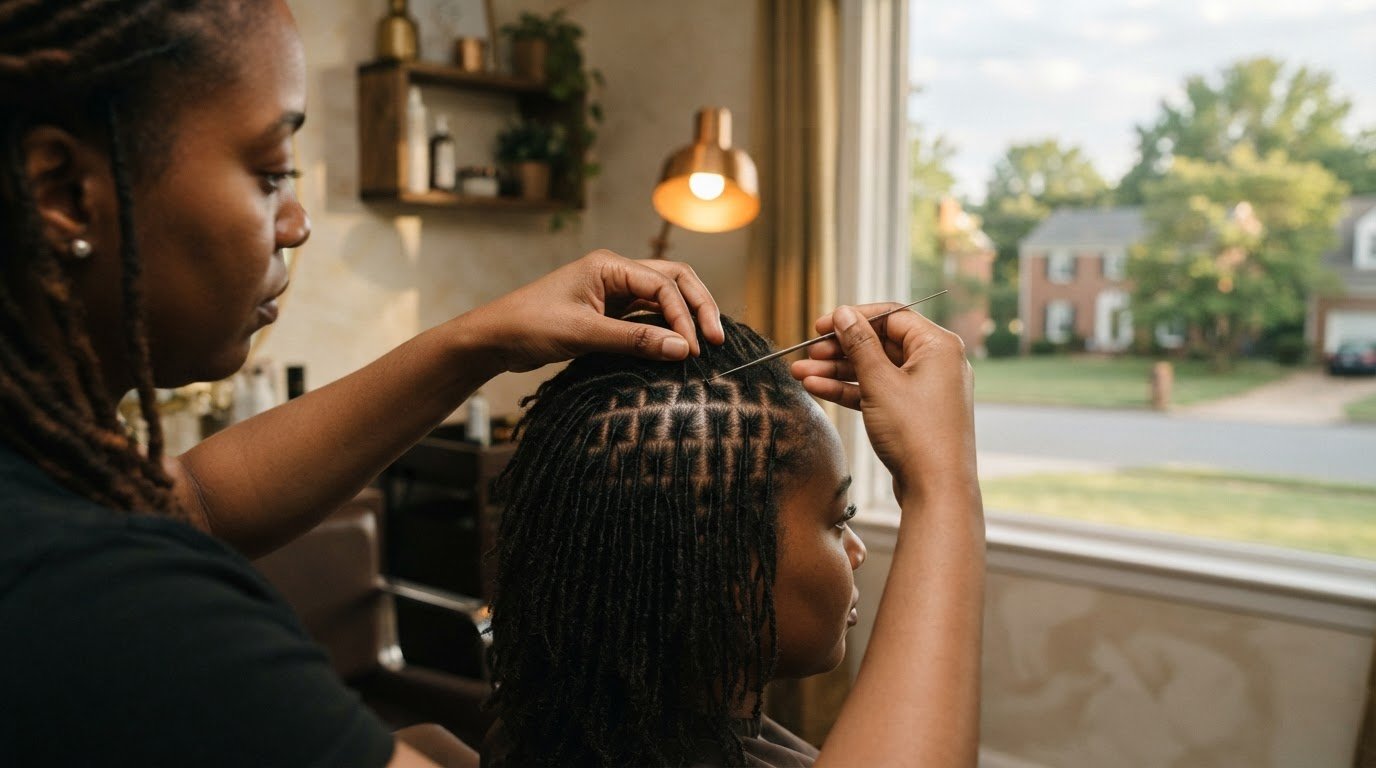
Phemmie's Place offers braid and loc services for people who want a style that fits their hair-care routine. Choose from Knotless Braids, Boho Braids, Box Braids, or Sisterlocks & Microloc Services. If you’re concerned about breakage, share where your hair feels tender, how much added hair feels comfortable, and what care you can maintain between appointments. That can guide the style choice and upkeep. Gentle handling matters during take-down, too. Braids Takeout/Wash & Blowdry Services can support a careful transition back to loose hair. To discuss a style or take-down in Glen Burnie, book an appointment with Phemmie's Place.
Make Your Next Style Feel More Comfortable
Your next braid appointment can start with a clear picture of what your hair needs. Before choosing a style, note where your scalp felt tender, which areas tangled during take-down, and which parts of your care routine were difficult to maintain. Sharing those details helps guide a thoughtful conversation about tension, weight, and upkeep.
A gentle plan for how to stop hair breakage from braids starts with honest communication and choices that respect your comfort. Discuss your preferences, ask for adjustments during styling, and speak up if something feels too tight. Your hair-care routine should feel manageable, not like another source of strain.
If you’re ready to talk through your next styling step, contact Phemmie’s Place. A thoughtful conversation can help you move forward with care and confidence.
Frequently Asked Questions
Are Braids Breaking My Hair Off?
They may be if you’re seeing short, snapped strands or changes concentrated where braids pull. Notice whether breakage appears after styling, during routine handling, or mainly at take-down. Hair that sheds from the root can look different from strands snapping along their length. If damage keeps appearing in the same area, remove the source of tension and see whether your scalp settles.
What causes hair breakage from braids?
Breakage can result from repeated strain, friction, and rough handling, not braids alone. For example, a heavy extension attached to a small section can put extra stress on those strands. Repeatedly pulling braids into a tight updo can strain the same places. At take-down, rushing through compacted shed hair can also snap strands caught together.
How tight should braids be to prevent breakage?
Braids should feel secure without sharp pulling, throbbing, or pain. Move your head naturally and rest comfortably after installation; persistent tightness is a reason to ask for an adjustment. Speak up during styling, especially around the temples and nape, instead of waiting until the full set is finished. A neat appearance doesn’t require painful tension at the roots.
What are signs that braids are causing traction alopecia?
Possible warning signs include thinning near braid attachment points, a receding-looking hairline, tenderness, or irritation around follicles. Notice whether the same areas, such as the temples or nape, are affected after repeated styles. Loosen or remove braids that are pulling, and consider seeing a board-certified dermatologist if hair loss or scalp changes are severe or continue. Acting early helps prevent ongoing tension from stressing those follicles.

Comments