


Safe Braiding for Sensitive Scalp in Glen Burnie

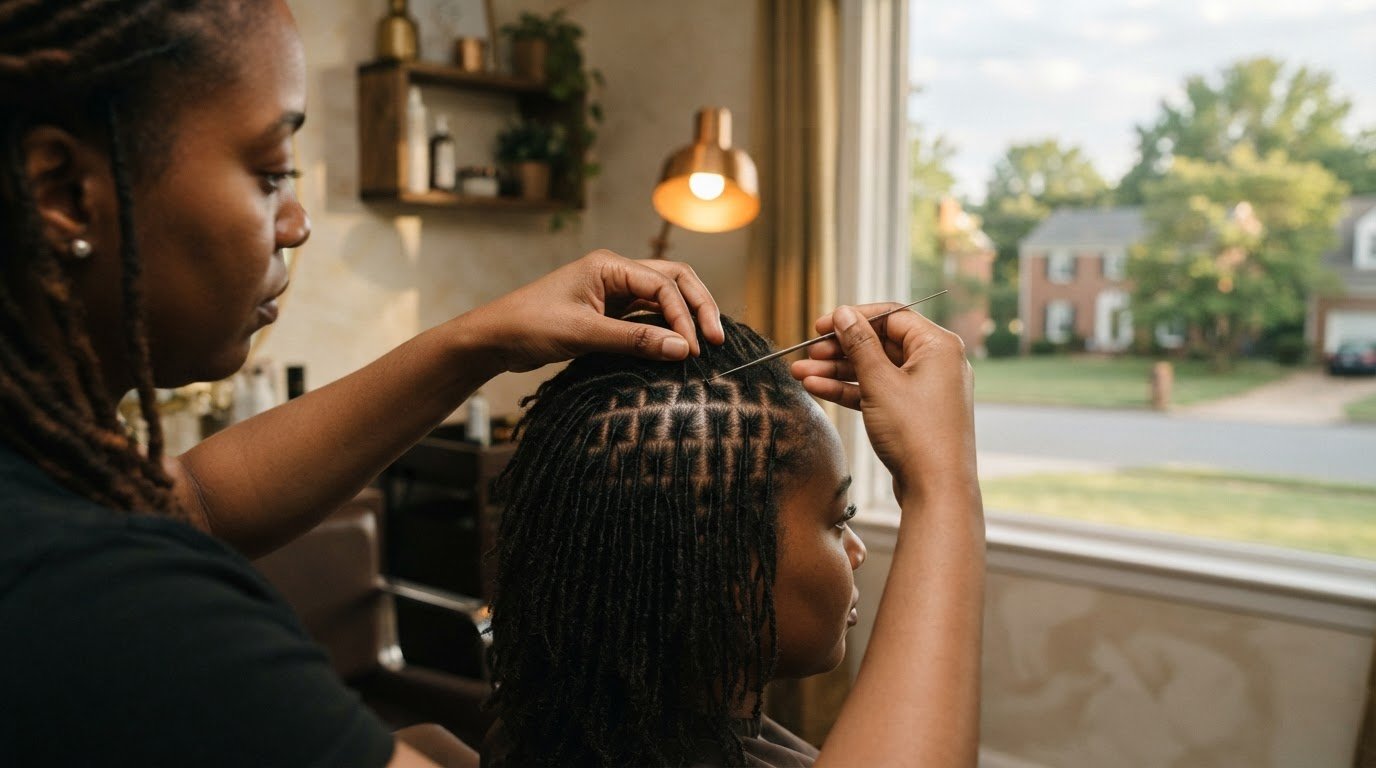
What if the most important part of a braid style is how comfortable it feels on your scalp? Safe braiding for a sensitive scalp in Glen Burnie starts with a thoughtful conversation about your comfort, hair, and preferred style, so the finished look feels as good as it appears.
It makes sense to be cautious when your scalp is easily irritated or tender. Braids shouldn’t feel painfully tight, and you should feel comfortable speaking up about tension during your appointment. A gentler experience starts with sharing what feels comfortable and choosing an approach that respects your needs.
Here, you’ll learn what to discuss before braiding, how to think about tension and style choices, and what to expect from a careful appointment. You’ll also find guidance on caring for your braids afterward and recognizing when a style needs attention. The goal is to help you make informed choices and enjoy protective styling with greater comfort and peace of mind.
Healthy hair, edges, and scalp care
Comfort starts with clear communication and gentle preparation. For safe braiding for a sensitive scalp in Glen Burnie, share your needs before styling and choose care that won’t leave your scalp coated or tender.
Scalp Sensitivity Consultation
Tell the braider what triggers discomfort and where it occurs. For example, mention tenderness near your temples, flaking along your part, or a past reaction after extensions. Explain which products or styles caused trouble, if you remember. Also describe how your edges respond to pulling. These details help guide decisions about parting, handling, and products used during your appointment.
Agree on a clear pause signal before the first section begins. You might ask the braider to stop if you feel sharp pulling or burning. A specific signal makes it easier to speak up while your hands are occupied or your head is turned.
Consultations and Patch Tests
Consultation and patch-test arrangements vary between Glen Burnie salons. Use a consultation to explain your scalp history, product reactions, and style preferences. A patch test may help assess a product reaction, but it can’t replace a conversation about previous irritation or sensitivity.
Name any ingredient or product you know has caused a reaction. Ask what products the service will use and where they may touch your skin. This makes the discussion specific, rather than relying on a general request for gentle styling.
Scalp Care and Hydration
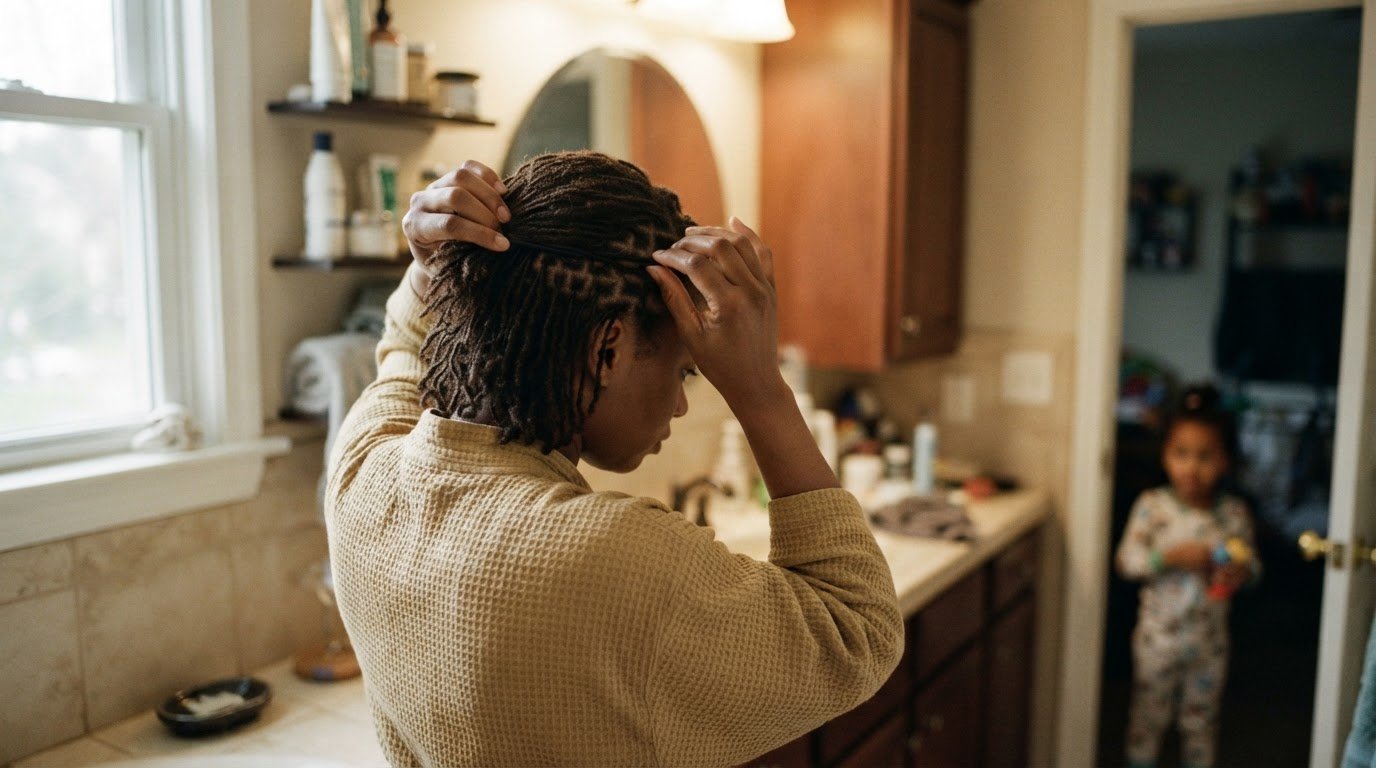
Before braiding, keep your scalp clean and avoid heavy oils or styling buildup. Residue can make it harder to see the skin and may complicate sectioning. If dryness bothers you, discuss a familiar, lightweight moisturizer. Avoid scratching irritated areas before your appointment, since broken or tender skin may feel more sensitive during handling.
Afterward, keep care simple. Use a small amount of a moisturizer you already tolerate, and avoid introducing several new products at once. If burning, swelling, or persistent irritation appears, stop using the suspected product. Seek medical advice for symptoms that continue or worsen.
Hair Preparation and Salon Environment
Synthetic braiding hair may irritate some scalps through contact or friction. Tell the braider about any previous reaction and discuss preparation before installation. Follow the hair maker’s directions and avoid improvised treatments that could leave residue. For safe braiding for a sensitive scalp in Glen Burnie, discuss a suitable approach before synthetic hair touches your skin.
Detangle gently before your appointment, without pulling at your roots. Notice whether the work surface is clean and tools are handled carefully. Keep unused hair separate from used supplies, and mention discomfort from a product’s scent or contact. These practical observations can help you communicate concerns throughout the service.
Knotless braids and reduced scalp tension
Knotless braids can reduce tension at the roots by starting with your natural hair. Comfort still depends on braid size, added hair, parting, and the braider’s technique.
In Glen Burnie, look for a braider whose examples show neat parts and relaxed-looking roots. Discuss how they adjust tension, and agree on a pause signal before styling begins.
Watch for sharp pulling, persistent soreness, or a headache during braiding. Raised bumps, tender edges, or hair pulled tightly from the scalp can also signal excessive tension.
Low-Tension Braiding Techniques
With knotless braids, the braider starts with your natural hair, then gradually feeds in extension hair. This avoids anchoring a large bundle at each root, but doesn’t make every installation automatically gentle. Smaller parts, lighter extensions, and careful handling still matter.
Twists are another protective-style option, with a different finished look and installation method. Whichever style you choose, the braider should avoid forcing your hair into a tight direction. Ask for a comfortable result, not a style that depends on pulling your edges taut.
Finding a Low-Tension Braider
Review examples of finished styles, paying attention to the hairline and how braids sit at the roots. Clear photos can help you discuss part size, braid thickness, and how much added hair you prefer. Explain which areas feel tender and ask how the braider adapts their technique.
A useful conversation includes your preferred tension and a plan to pause if discomfort starts. Notice whether the braider listens and responds to your preferences. A low-tension approach should include adjustments during styling, not just reassurance beforehand.
Signs of Excessive Tension
After styling, check your edges and scalp for tenderness, bumps, or hair visibly pulled at the roots. Persistent discomfort or skin irritation deserves attention; don’t cover it with more styling product. Loosening or removing the source of tension can help prevent continued pulling.
Comfort also depends on matching the style to your hair and preferences. Share whether you want a lighter feel, a particular parting pattern, or a shorter look. For a gradual-installation option, explore knotless braid styling and discuss the details that matter to you.
Braiding studio location and hours in Glen Burnie
Plan your Glen Burnie salon visit around two details: the appointment address and start time. Use the location and schedule shown with your booking, rather than relying on a general city search or an old map result.
Before leaving, enter the full street address into your map app. Compare the destination name and street details with your appointment information. If the route displays several similar businesses, use the street address to distinguish them. Save the directions while you have a reliable connection, then review the route before departure.
Opening hours and appointment times are different details. A salon’s listed business hours don’t automatically show when a specific appointment begins. Plan around the time assigned to your visit. For example, if your appointment begins in the afternoon, use that start time rather than assuming the studio accepts earlier arrivals.
Travel planning matters for a braiding appointment because the service may involve a long period of seated styling. Consider your route, expected traffic, parking instructions, and any mobility needs. If you rely on public transportation or a ride, plan how you’ll complete the final part of the journey. Keep your appointment details accessible on your phone.
Use this simple sequence before you set out:
Match the appointment address to the destination in your navigation app.
Check the appointment start time and any arrival instructions.
Review the route and make a plan for parking or drop-off.
Bring the details you need, including the appointment confirmation.
Build your personal schedule around the booked start time and journey, not an assumed walk-in window. Arriving very early may leave you waiting, while arriving after the start can reduce time for discussing style choices or scalp comfort. A calm arrival gives you a moment to settle before braiding begins.
If your route changes, use the saved address rather than searching by a broad phrase such as “braiding salon in Glen Burnie.” That extra step can prevent confusion between map results. Keep the appointment time visible, and allow enough travel time for your chosen route.
For a Glen Burnie visit, the most useful location and hours information is the specific address and appointment time tied to your booking. Use those details to plan travel, arrival, and the rest of your day with fewer last-minute decisions.
Protective braiding services in Glen Burnie
A protective style gathers and secures hair, but comfort depends on the installation. In Glen Burnie, choose a style by considering your scalp sensitivity, daily routine, and the amount of added hair. A polished finish should not require painful pulling or heavy tension at the roots.
Start with the result you want. For example, consider whether you prefer a close-to-scalp pattern, individual hanging plaits, or a softer, fuller finish. Each design places hair differently and changes how you manage your scalp. Bring a reference photo that shows the parting and overall shape you like, not just the finished length.
Next, think about your natural hair and edges. Fine or fragile areas may need larger parts, less added weight, or a simpler design. A dense style can feel heavier, while closely spaced sections may mean more handling across the scalp. Discuss these trade-offs before choosing a finished look.
Protective styling still needs routine care. Keep the scalp accessible enough for gentle cleansing, and avoid scratching between sections. If buildup collects near the roots, use a careful cleansing method rather than forceful rubbing. During maintenance, handle the hairline gently and avoid repeatedly pulling the same sections into tight styles.
Use these details to compare style options during your appointment discussion:
Parting: Decide whether you prefer straight rows, curved sections, or a less structured pattern.
Weight: Discuss how much added hair feels comfortable for your scalp and edges.
Routine: Consider whether you can keep the style clean and protect it while sleeping.
Removal: Plan for patient takedown that avoids tugging at natural hair.
Consider your daily habits, too. A style that stays neat during work or exercise may need a different finish than one chosen mainly for a special occasion. If you often wear hats or head coverings, mention that before installation. Your braider can factor in how those items may press against sections or edges.
Protective styling does not make hair immune to breakage. Leaving a style in too long, pulling at loose sections, or ignoring scalp discomfort can undermine its purpose. Notice changes in comfort and keep your routine gentle. If irritation begins, avoid adding products that could make it worse.
A thoughtful service discussion connects the look you want with your comfort and care routine. Share your priorities, discuss the style’s weight and upkeep, then agree on a plan for gentle installation and removal. That makes it easier to choose protective styling that suits your hair, scalp, and everyday life in Glen Burnie.
Which Glen Burnie salons specialize in braiding for sensitive scalps?
A salon’s “sensitive scalp” label matters less than its braiding approach. In Glen Burnie, look for clear communication about tension, part size, added hair, and adjustments during styling. These details show whether the service can respond to your comfort needs. A polished portfolio can help you assess finished styles, but it can’t show how gently each braid was installed.
Use a short conversation to understand the braider’s process. Describe what has bothered your scalp before, such as tight cornrows, heavy extensions, or repeated pulling along your hairline. Then notice whether the braider discusses practical adjustments, such as using less added hair, changing the parting plan, or pausing when you ask. A useful answer addresses your concern directly instead of promising every style will feel the same.
Look for evidence in the details, not just broad claims. Photos may show clean sections and varied styles, but ask how the braider adapts a look for tender roots or fragile edges. A consultation should give you room to discuss your preferred tension, product sensitivities, and styling goals. Agreeing on a pause signal also helps you speak up if discomfort begins.
Consider these signs of a thoughtful, scalp-aware appointment:
The braider listens as you describe previous discomfort.
Style choices account for your edges, hair density, and comfort.
You can request a pause or adjustment during installation.
The braider explains how to respond if tension feels painful.
Be cautious of advice that treats pain as a normal part of braiding. Persistent pulling, sharp soreness, or increasing discomfort deserves an immediate conversation. A braider should respond by adjusting the technique or stopping to reassess. No particular style can guarantee a comfortable result for every scalp.
For example, you might like the look of small, closely spaced braids but prefer less handling around your temples. Share that preference before installation. The braider can discuss whether a different part size or pattern better suits your edges. Your comfort and the finished design should guide that decision together.
Photos, a focused consultation, and a responsive installation process offer more useful clues than a specialty label alone. Choose a Glen Burnie salon based on how it handles your specific concerns and whether its approach leaves room for adjustments. To discuss a style with your scalp comfort in mind, explore braiding options.
Phemmie's Place
Phemmie's Place offers protective styling options for your next braid appointment. Share your scalp sensitivities, past reactions, and preferred tension during your style discussion. Those details help shape a choice that considers both your desired look and comfort. Options include knotless braids, boho braids, box braids, and Sisterlocks and microloc services. Each style has a different look and maintenance routine, so consider how it fits your everyday care.
If you’re unsure which direction suits you, start by describing what has felt uncomfortable before and what you hope to achieve. That gives the conversation a clear, personal focus. For a thoughtful next step toward protective styling, book an appointment with Phemmie's Place.
Make comfort part of your style plan
Your next style can be a chance to set a different standard for comfort. Before choosing a look, decide what you want the appointment to feel like: unhurried, adjustable, and open to honest feedback. That intention can guide your conversation and help you feel more prepared to speak up if something changes. Safe braiding for a sensitive scalp in Glen Burnie starts with making your comfort preferences part of the plan, not an afterthought.
Think beyond the finished look, too. A style should fit the way you move through your days and the care you can give it afterward. Choose an approach that feels like you, and ask for adjustments as needed. You deserve to feel at ease throughout the process.
Ready to talk through your braiding preferences? Contact Phemmie's Place to discuss braiding. Take the next step with confidence and make space for a style that feels personal.
Frequently Asked Questions
What braiding styles put the least tension on a sensitive scalp?
Knotless braids can feel gentler at the roots because extension hair is added gradually, but the result depends on installation. Ask for a style that avoids heavy extensions and tight, pulled-back finishes. Loose twists may also suit someone seeking a different feel. Your hair density, part size, and preferred length all affect the final weight, so discuss those choices before styling starts.
How should I prepare and care for a sensitive scalp before and after braiding?
Before braiding, arrive with your hair detangled and avoid a tight ponytail or fresh style that leaves your scalp tender. Bring the names of products that have caused reactions, if you know them. Afterward, keep your routine simple and avoid testing several new products at once. If discomfort worsens or irritation persists, remove the source of friction and seek appropriate medical advice.

Comments