


Salon for Natural Hair Without Chemicals: Find a Gentler Fit

A salon for natural hair without chemicals should offer styling choices that respect your product preferences and scalp comfort. “Natural” doesn’t necessarily mean chemical-free, so ask which products will be used before choosing a service.
Share any sensitivities and product preferences before your appointment. This helps you choose a style and care routine that feel right for you.
This guide covers scalp sensitivities, product choices, and ways to reduce chemical overload, so you can make a more informed salon decision.
Allergies and scalp sensitivities
A comfortable appointment starts with a clear account of your scalp sensitivities. Before choosing a color or styling service, note any previous reactions, the product involved, and what happened. For example, mention itching after dye, tenderness after a tight style, or irritation from fragrance. These details help your stylist plan around your needs.
Take reactions to hair dye seriously. A teenager died from anaphylactic shock after exposure to PPD in 2010. PPD is used in some hair color products, so tell your stylist about any past reaction before discussing color. Don’t assume a different shade, an organic label, or a familiar brand removes the concern. Share the product name if you remember it.
“Organic” describes a marketing or ingredient choice, not a guarantee that a product suits every scalp. Organic hair dye may still contain chemical ingredients and can affect hair. Like traditional dye, it deposits color by opening the cuticle and penetrating the hair shaft. Consider this process before deciding to color your hair.
For a useful consultation, describe your comfort needs in specific terms. Ask which products will touch your scalp, whether the service includes color, and how the stylist can limit contact. If you prefer no color, say so clearly. A salon for natural hair without chemicals should make it easy to discuss styling options without assuming that every product labeled “natural” is suitable.
Scalp comfort also depends on how a style feels during and after the appointment. Tell your stylist if braids or other styles have felt too tight before. Point out tender areas or existing irritation, and say where you want less tension. Speak up if you feel pulling or discomfort during the service, so adjustments can be made before the style is complete.
Choose a care routine that fits your scalp’s needs. Note the products used and any changes afterward, such as dryness or irritation. At your next appointment, these notes can help you identify which choices felt comfortable. If a product caused a reaction, name it rather than relying on a broad label like “sensitive skin.”
Before booking, prepare three points: your past reactions, your preferred products or services, and the level of scalp contact you’re comfortable with. This small checklist makes the conversation more focused. It also helps your stylist shape a thoughtful experience around your hair, scalp, and comfort, rather than treating every client’s needs as the same.
2. Finding green salons and lower-toxicity products
“Green,” “organic,” and “plant-based” can describe different product choices, not a single safety standard. For a more conscious appointment, focus on the ingredients used for your service, including coloring products, cleansers, and aerosols. Ask for product names and ingredient information, then consider whether each choice fits your sensitivities and preferences.
For textured hair, compare salons by their experience with curls and coils, not by “natural” or “traditional” labels alone. A stylist familiar with textured hair can tailor detangling, sectioning, and styling to your hair. Both the service and the products used shape the experience.
Product labels deserve a close look. The Environmental Working Group rates methyl methacrylate 8-9 out of 10 for risk. Don’t assume every aerosol hair product contains it; instead, read the ingredient list when one is used. “Ammonia-free” or “cruelty-free” also describes only a particular claim, not every ingredient or its effect on your scalp.
Ingredient information can be harder to access in salons than in retail stores. Professional salon products aren’t required to list ingredients on the label. Material Safety Data Sheets may omit chemicals of concern and are typically available only in English. The U.S. FDA lacks authority to mandate product safety testing under loopholes in the Toxic Substances Control Act. A California Department of Toxic Substances Control study found five of seven products claiming to be free of the toxic trio contained at least one of those chemicals.
Before booking, ask three direct questions: Which products will touch my hair or scalp? Can I review their ingredient lists? Can I bring my own products? If you want to use your own, discuss them beforehand so your stylist can plan the service around them.
To find a textured-hair salon near you, search local listings and read detailed reviews that mention curl or coil care and specific services. Look for published stylist credentials, and note what each credential covers; a certificate alone doesn’t tell you which products a salon uses.
Plant-derived ingredients may appeal to you, but “plant-based” doesn’t automatically mean gentler for every person. If you’ve had allergic reactions, share the ingredients you avoid and the products that have worked well. For a more considered hair-care routine, explore natural hair-care choices alongside your questions about salon products.
Hair-color decisions can also benefit from checking individual ingredients rather than relying on broad product claims. The Environmental Working Group rates PPD 7 out of 10 for toxicity. If a color service is planned, ask which products may be used and review their ingredient information in advance; this gives you a chance to consider the specific formulation alongside your sensitivities and preferences.
In November 2012, the California Superior Court ordered GIB to stop selling Brazilian Blowout in California after finding that it emitted smog-forming pollutants above the level allowed by the California Air Resources Board. If a smoothing service is part of your plan, ask the salon to identify the product before the appointment and provide its ingredient information. You can then decide whether you are comfortable proceeding or would rather discuss another approach with the stylist.
3. Reducing chemical overload
Reducing unwanted exposure starts with deciding which treatments matter to you. List the services you use, such as coloring, straightening, and styling products, then decide which you can pause or replace. This review helps you focus on repeated contact rather than chasing a completely chemical-free label at a dedicated salon for natural hair without chemicals.
Hair dyes are one place to consider carefully. Roughly two-thirds of conventional hair dyes in the United States contain p-Phenylenediamine, or PPD. A study indicated that women who colored their hair monthly with PPD-containing dyes for fifteen years experienced a 50% increased risk of bladder cancer. This finding describes a specific pattern of use, not every person’s salon experience.
Look at the frequency and combination of treatments in your routine. If you color your hair and also use chemical straightening, discuss which service you can skip or space apart. It is best to avoid chemical hair-straightening treatments. Formaldehyde fumes from smoothing treatments may continue exposing customers and salon workers for months after the procedure is completed.
“Natural” and “derived from plants” don’t automatically mean a product avoids synthetic chemicals. For hair color, experts recommend looking for options free from synthetic chemicals, ammonia, and PPD. Read product information and consider whether coloring is essential to your preferred look. A plant-derived ingredient can still cause irritation, so your past reactions always matter.
If you choose organic hair dye at a trusted salon for natural hair without chemicals like Phemmie's Place, care continues after the appointment. Use a gentle, sulfate-free shampoo and conditioner to help keep hair healthy and hydrated. Protect freshly colored hair from harsh UV rays and extreme heat, which can fade color. These steps may help reduce the need for repeat coloring.
Reduce repeated exposure with a practical routine: keep the treatments you value, avoid overlapping chemical processes, and choose simple maintenance between appointments. For a new look without permanent color, you might choose a protective style. Tell your stylist which products or treatments you’re avoiding so the service reflects your preferences.
Small decisions can make your routine more deliberate. Track the products used at each appointment and note any irritation afterward. If a service uses several products, ask which steps are essential and which can be removed. This helps you see your exposure over time without treating every ingredient as equally concerning or expecting one label to answer everything.
Always review the full ingredient list before agreeing to a service. Approximately 75% of American women color their hair, meaning exposure is common. Permanent hair dyes in the hairdressing industry have an average PPD concentration of approximately 0.89%, and PPD is already banned in several European countries including Germany, France, and Sweden, according to a University of Santiago de Compostela report reviewing cancer risks among hairdressers.
Ask your stylist what a color product contains and whether an option without PPD is available. Seek natural hair color treatments free from synthetic chemicals, ammonia, and PPD. It is also recommended to use a gentle, sulfate-free shampoo and conditioner after organic dyeing to keep hair healthy and hydrated. Keeping a product record at Phemmie's Place can help you compare ingredients at later appointments.
4. What services do natural hair salons offer for curly and coily hair
Curly and coily hair can benefit from services tailored to its texture, styling goals, and maintenance routine. Common choices include twists, loc care, braiding, and wash-and-blowdry services. Each serves a different purpose, from preparing hair for a style to maintaining an established one.
A wash and blowdry can prepare hair for a protective style or make detangling more manageable. The service typically focuses on cleansing, conditioning, and drying before the next styling step. Share your preferences about heat and scalp comfort so the stylist can tailor the process to your needs.
Twists are a versatile option for natural hair. Depending on the finish you want, they can be worn as a style or used as the foundation for another look. Discuss your preferred size, placement, and upkeep before the appointment to help align the finished style with your routine.
Loc services can support you as you begin or maintain a loc journey. Sisterlocks and microlocs are distinct approaches, while dreadlock services address loc care more broadly. Before choosing, consider your preferred size and appearance, along with your maintenance habits. A detailed conversation helps match the service to your goals and existing hair.
Braid takeout is useful after wearing a protective style. Careful removal helps you move on to washing and caring for your hair without rushing the takedown. Pairing takeout with a wash and blowdry creates a clear sequence: remove the style, cleanse the hair, then prepare it for what comes next.
Protective styling doesn’t mean every style suits every scalp or schedule. Consider the time you want to spend on daily upkeep, how you want your hair to feel, and whether you prefer a temporary or longer-term style. Share any past issues with tension or tangling before styling begins.
For a considered appointment, bring a few useful details: your current style, your desired result, and products or treatments you prefer to avoid. Photos can help explain the shape or finish you have in mind. Describe your usual care routine, including how you cleanse and moisturize your hair between visits.
Choose among twists, loc services, braid takeout, and wash-and-blowdry care based on your immediate need. If you want a new look, discuss a styling service. If you’re moving on from a protective style, plan for removal and cleansing first. A focused conversation keeps the next step clear and helps shape a comfortable service.
5. How to verify a salon uses chemical-free hair products
“Chemical-free” isn’t a literal product category. Use it to describe the ingredients or treatments you want to avoid. Before booking, state those preferences clearly. For example, you might want no permanent color, relaxers, or fragranced styling products. Specific requests are easier to discuss than a broad promise of chemical-free care.
Start with a product-by-product conversation. Ask which shampoo, conditioner, detangler, and finishing product the salon plans to use. Even a simple-sounding service may involve several products. Knowing what’s involved helps you decide whether the routine fits your preferences.
Request product names before your appointment and review the ingredient information on each package. Compare the ingredients with your own avoid list instead of relying on front-label terms such as “natural” or “clean.” For example, if you avoid fragrance, look for fragrance-related ingredients in the details.
Clarify what happens if a product needs to be substituted. Ask whether the stylist would use a different cleanser, gel, or finishing spray if the planned product isn’t available. Agree on what you’re comfortable with before the service begins to make your preferences clear throughout the appointment.
If you prefer to bring your own products, name each one and explain how you use it. For example, bring your usual leave-in conditioner or styling cream and ask how it fits the service. Discussing this beforehand helps your stylist plan around your routine and avoid introducing an unexpected product.
Keep your product check simple and specific. Save product names, ingredient lists, and any agreed substitutions in a note on your phone. At the salon, compare the products being used with your note. If a bottle has a different name or formulation, pause the service and clarify before it touches your hair.
Watch for broad claims that don’t explain which products are involved. “Organic,” “plant-based,” and “ammonia-free” each describe a limited feature, not every ingredient in a salon’s routine. Ask what the claim applies to. A clear answer names the product and the ingredient or feature in question.
Use a short booking checklist: list ingredients you avoid, identify the products you want to ask about, and decide whether you’ll bring alternatives. A salon for natural hair without chemicals should make room for specific preferences, not rely on a general label. Your questions help turn that preference into a practical plan.
For a more intentional routine, explore thoughtful natural hair care and bring your product preferences into the conversation.
Phemmie's Place: Knotless Braids
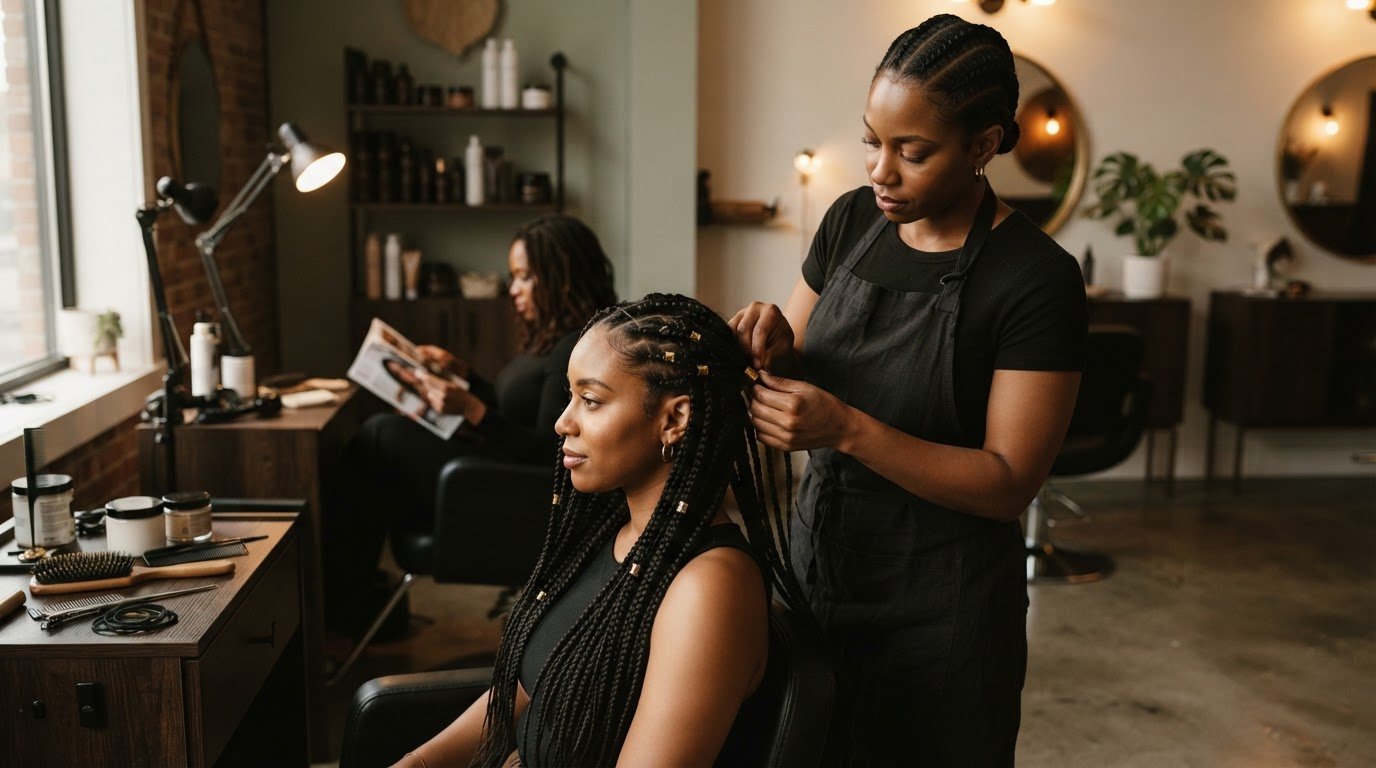
Phemmie's Place offers Knotless Braids as a protective styling option if you want to avoid chemical treatments. Knotless Braids, Boho Braids, and Box Braids create different looks while keeping your natural hair at the center of the style. Share your product preferences and scalp comfort needs during the appointment conversation.
If you’re considering a longer-term loc journey, explore Sisterlocks & Microloc Services. Think about the look you want, your care routine, and how you prefer your hair to feel. These details can help you choose an approach that suits your needs.
For a natural-hair styling appointment, visit phemmplc.com or contact Phemmie's Place.
Choose a gentler next step for your hair
Your next appointment can reflect the care you want in your routine. If you’re looking for a salon for natural hair without chemicals, focus on the products and treatments you choose, then share your preferences before styling begins. A protective style can offer a fresh direction without making chemical treatments the center of your hair care.
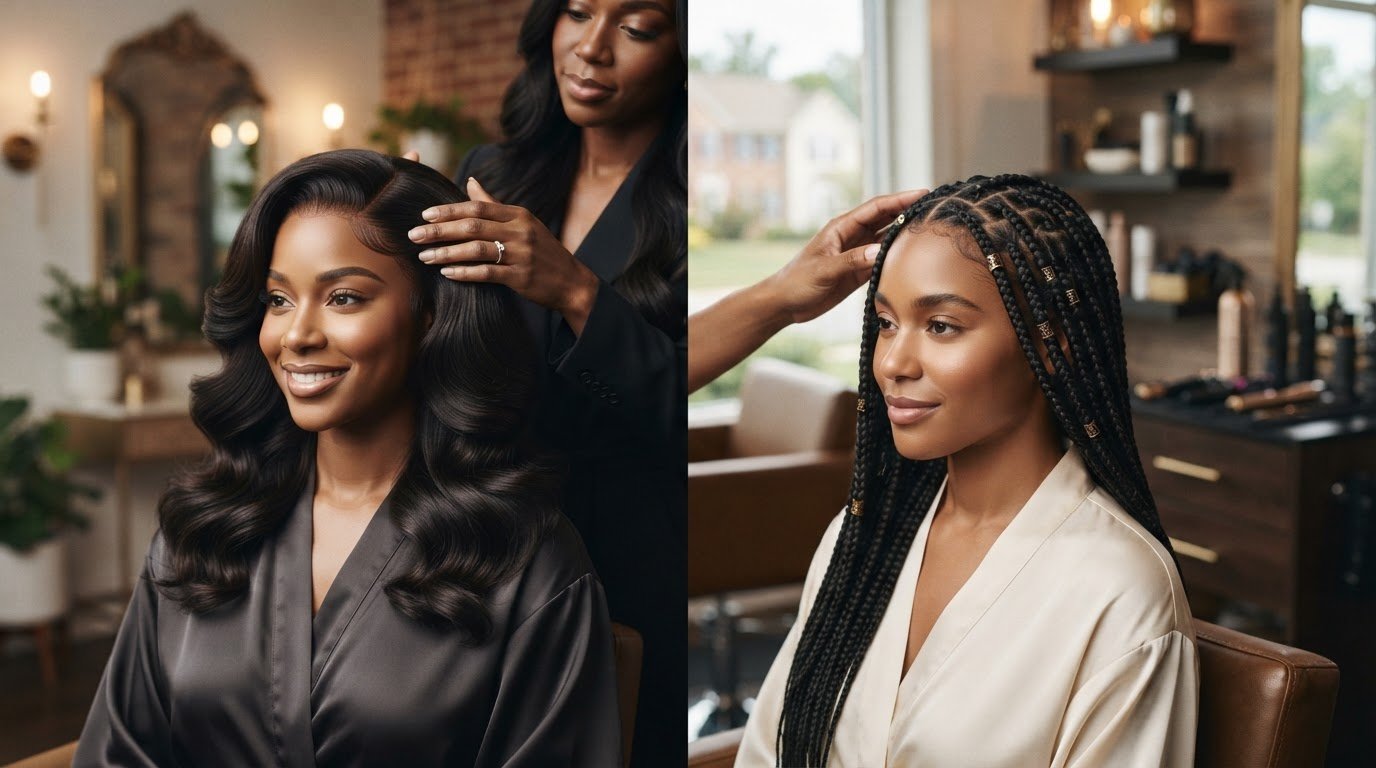
Phemmie's Place offers Knotless Braids, Boho Braids, and Box Braids for clients seeking braided styles. Bring your ideas and comfort preferences into the conversation so your chosen look feels personal and considered.
Take the next step at your own pace. Contact Phemmie's Place to talk about a braided style that suits your natural hair goals. A thoughtful choice can make your next salon experience feel more like care, and more like you.
Frequently Asked Questions
How to find a natural hair salon near me that avoids chemical treatments?
Look for a salon that clearly explains its services, then ask directly about relaxers, bleaching, and the products used during your appointment. In Glen Burnie, consider whether the salon offers what you need, such as braids, twists, or loc care. At a salon for natural hair without chemicals, confirm the appointment process before you go. Phemmie's Place offers protective styling without relaxers or bleaching and serves clients by appointment, not walk-ins.
What ingredients and products should a chemical-free natural hair salon avoid?
Ask your stylist which products may conflict with your needs instead of relying on the label “chemical-free.” If you want to avoid chemical treatments, ask whether the service involves relaxers or bleaching, and request to review product labels before application. You can also name ingredients you personally avoid, such as fragrance or a particular oil. Since sensitivities vary, a clear conversation helps you choose a suitable style and routine.
Are natural hair salon treatments safe for sensitive scalps and allergies?
A natural or protective style may suit you, but it isn’t automatically safe for every sensitive scalp or allergy. Before booking in Glen Burnie, tell your stylist what has caused a reaction, including specific ingredients, and ask which products will touch your scalp. Discuss tension, too: braids or loc services should be adjusted to your comfort. If you have a known severe allergy or active scalp concern, consult a qualified healthcare professional before treatment.
How do natural hair salons compare with traditional salons for textured hair
Natural or traditional labels alone don’t show how well a salon serves textured hair. Compare salons by their experience with curls and coils, and whether stylists tailor detangling, sectioning, styling methods, and products to your hair.

Comments