


Sew In Weave Services in Glen Burnie

A sew-in weave is designed for weeks of wear, not months without maintenance. Sew-in hair extensions typically last 6-8 weeks, so if you're looking for a sew in weave near me in Glen Burnie, it helps to plan for that refresh window from the start. The style is applied by braiding your natural hair into a foundation, then sewing extension wefts onto the braids.
It’s natural to want a style that feels secure and polished while giving your hair a break from daily styling. How long extensions last also depends on care and how comfortably the foundation fits your hair. This guide explains sew-ins, what can affect wear time, and what to consider when choosing a style and upkeep routine.
How long do hair extensions last?
Sew-in hair extensions typically last 6-8 weeks, while tape-in extensions typically last 4-8 weeks. The right choice depends on your natural hair, desired finish, and preferred installation method. For example, a sew-in attaches wefts to a braided base, while tape-ins use adhesive strips placed near the roots.
Start by matching the extension method to your hair’s condition and the style you want. A sew-in can add volume or length beneath your natural hair, while tape-ins can create a flatter, more blended finish. Consider how you usually part your hair, how much natural hair you want visible, and whether you’re comfortable maintaining attached extensions.
Show Pony Skin Weft is a named tape-extension option to discuss during planning. The name alone doesn’t determine whether it suits your hair or preferred look. Compare tape-ins with a sew-in, then consider how each installation fits your hair texture, styling habits, and care routine.
Plan your installation around the length, volume, and finish you want, and describe how you style your hair day to day. These details help your stylist discuss the method and preparation. Before booking, clarify whether extension hair is provided or whether you should bring your own, as salon policies differ.
Hair-extension pricing depends on the method, hair choice, amount needed, and installation work. The price depends on your case and is given after a quote request. Discuss your desired look and these cost factors so the quote reflects the service you’re considering, not a different extension method.
A traditional sew-in uses braided natural hair as its base, with extension wefts sewn onto the braids. A quick weave attaches wefts with adhesive, often over a protective cap. The main difference is how the extensions are attached, so consider which technique suits your desired style and hair-care routine.
A sew-in can cause discomfort or strain natural hair if the foundation is too tight. Choose a comfortable fit, follow the stylist’s care instructions, and arrange careful removal rather than pulling at the wefts yourself. If the style feels painful, speak up promptly instead of waiting for another appointment.
Bond extensions and microlinks can last up to 12 weeks, so they may be worth discussing if you want to compare wear periods with sew-ins and tape-ins. The actual fit for your hair and routine should guide the choice, rather than the longest stated duration alone. Ask the stylist what maintenance and removal involve, and how to care for your natural hair while extensions are attached. If you notice discomfort or strain, raise it promptly.
Discuss the method, amount, and hair choice when planning your service, then request a quote. This keeps the estimate tied to your plans rather than assuming every extension option costs the same.
Sew-in application technique
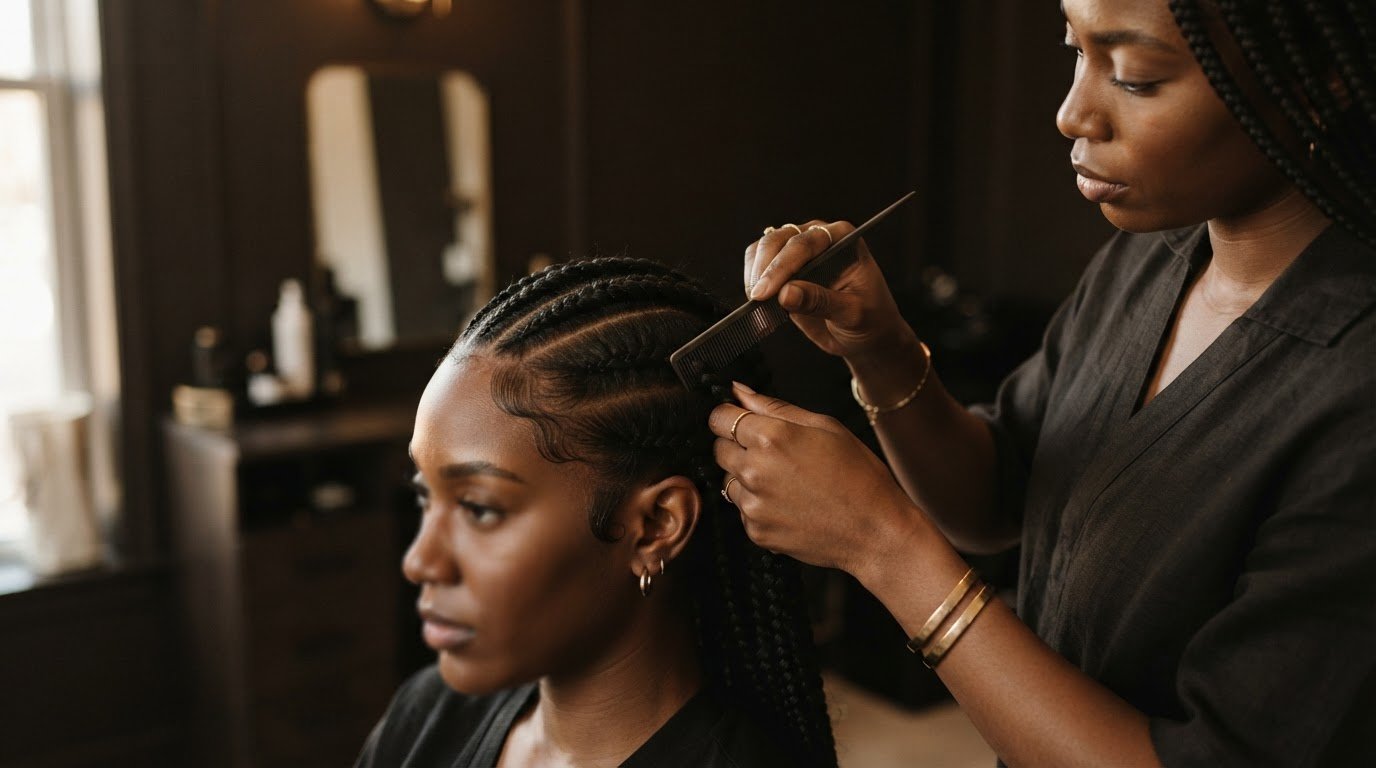
A sew-in weave starts with a prepared base, usually formed from braided natural hair. The stylist plans the braid direction around your part, leave-out, and finished style, then sews extension wefts onto the foundation with a needle and thread. Careful placement helps create an even shape that suits the look you chose.
The braid pattern depends on your hair and desired style. For a side part, for example, the foundation should support the part while keeping the wefts discreet. A full sew-in covers more natural hair, while a style with leave-out blends some of your own hair over the extensions.
Discuss the finish. Show a reference photo and explain your preferred part, length, and volume. This helps the stylist plan the foundation and placement.
Prepare the hair. The stylist assesses your hair and sections it for braiding. Tell them about tender areas or sensitivities before the braids begin.
Create the base. The stylist braids your hair in a pattern suited to the desired finish. The braids should feel secure, not painfully tight.
Attach the wefts. The stylist sews extension tracks onto the braided base. Even spacing and controlled tension help the finished shape sit smoothly.
Blend and finish. The stylist shapes the extensions and blends any leave-out. Review the part and overall silhouette before you leave.
Preparation starts before the appointment. Arrive with clean, fully dry hair unless you’ve been given different instructions. Avoid heavy products that could interfere with sectioning, and bring a style reference so you can discuss the details.
Speak up during installation if a braid or track feels uncomfortable. A sew-in should feel secure, not painful. After styling, follow the care instructions for cleansing, drying, and protecting the foundation. Handle the style gently to avoid pulling at the wefts while detangling or styling.
Before booking, share your preferred look and ask what preparation the appointment requires. For a calm, organized visit, review the sew-in appointment details as you plan your style.
What salons near me offer sew-in weaves?
In Glen Burnie, look for “sew-in” or “weave installation” in salon service menus. A salon may specialize in braiding, extensions, or several protective styles, so the menu can help distinguish a sew-in from a quick weave or tape-in. Check the service description for the installation method, not just photos of finished hair.
Use map listings and salon websites to make a shortlist. Look for clear sew-in details, examples of finished styles, and a straightforward booking process. A photo of a long, full style may show the finish you like, but make sure it’s identified as a sew-in before using it as an example of that technique.
Compare each salon using practical details that affect your appointment:
Service description: Confirm the menu names a sew-in, rather than extensions generally.
Style examples: Look for photos showing different parts, lengths, and amounts of leave-out.
Hair preparation: Read the appointment instructions so you know how to arrive.
Extension hair: Review the booking details to learn whether hair is included or brought separately.
Consultation process: Choose a salon that makes space to discuss your desired look and hair needs.
Before booking, write down the result you want. For example, describe a middle part, added fullness, or a natural-looking blend. Bring a reference image showing the front and side views. These details help your stylist understand your priorities and explain how the sew-in can be shaped to suit them.
Read reviews for specific descriptions of the service, not just general praise. A useful review might mention communication, comfort during braiding, or whether the final part matched the request. Treat reviews as individual experiences and compare them with the salon’s sew-in examples and appointment information.
Clarify the service scope when booking. Check whether the appointment includes shampooing, braiding, weft installation, and finishing, as salons may structure services differently. If the menu lists these steps separately, select the options that match your requested style. Save the appointment details so you can follow the preparation guidance.
A focused shortlist makes choosing easier: identify salons in Glen Burnie, review their sew-in details, compare relevant examples, then book the service that fits your look. Clear expectations help you arrive prepared and give your stylist a useful starting point.
As you compare options, ask how the salon approaches care after installation, not only the appointment itself. The salon creates a specific maintenance plan for each guest, so you can ask how that plan would fit your hair and the style you have in mind. It may also help to discuss product choices before booking: the salon says it is not exclusive to a single product brand and selects products for different hair types.
Raise any particular concerns or preferences when planning your service, and discuss whether they affect the installation or upkeep. The salon creates custom treatments in-house for each guest. Discussing these alongside the maintenance plan can help you understand the salon’s approach and decide whether it suits your needs. Keep your questions focused on your hair, the sew-in you want, and the care guidance you’ll receive.
How long does a sew-in weave appointment take?
A sew-in appointment has no single fixed duration. Timing depends on preparation, the braid pattern, the number of wefts, and the finishing style. A simple shape with a defined part takes different work from a fuller look with leave-out and detailed blending. Plan around the steps your chosen style requires rather than assuming every sew-in takes the same amount of time.
Preparation affects the schedule before the first weft is attached. Detangled, dry hair is easier to section than hair that needs extra preparation. The braid pattern also matters: the stylist shapes the foundation to support your part and distribute the extensions smoothly. Discuss your desired finish in advance so the installation plan matches your look.
Several parts of the service can influence the appointment flow:
Hair preparation: Washing, drying, or detangling may add work if included.
Foundation: A custom braid pattern takes focused sectioning and braiding.
Weft placement: The amount of extension hair and coverage affect sewing time.
Leave-out: Blending natural hair into the extensions adds finishing work.
Final styling: A layered shape or curls require different finishing than a simple straight look.
Your appointment may also include a brief style discussion before installation. Bring a reference photo showing the part and overall shape. For example, a center part with full coverage differs from a side part with natural hair left out. Clear references help your stylist understand the finish before braiding begins.
Use the booking details to plan your visit. Confirm whether the appointment includes washing, drying, extension installation, and styling. These steps may be scheduled together or described separately. Knowing what the booking covers helps you prepare and avoid arriving with an unfinished step, such as damp hair when dry hair is requested.
Keep your schedule flexible around the service instead of arranging a tight follow-up commitment. A detailed braid pattern or extra blending can change how the work progresses. Arrive ready to focus on the installation, share any comfort concerns early, and review the part and shape before leaving.
For a practical appointment plan, describe your hair’s current condition, desired coverage, and finishing style when booking. These details help the stylist plan the sew-in process and help you set aside the time your service needs.
What should I look for when choosing a sew-in weave stylist
Choose a stylist whose work shows sew-in weaves, not only other extension methods. Review finished styles for clean parts, balanced volume, and a natural blend around the hairline. A clear photo of a side part, for example, can help you judge whether the results match your preferred finish.
Look for communication that shows your preferences are understood. Your stylist should discuss your desired length, fullness, part, and leave-out before planning the installation. Bring a reference photo and explain what you like about it. “Soft volume at the crown” gives more direction than simply asking for longer hair.
Pay attention to how the stylist considers comfort and hair condition. A sew-in foundation should feel secure without painful tension. Mention tender areas or breakage before braiding starts, and speak up if a braid feels too tight. A careful stylist takes these details into account when planning the braid pattern and weft placement.
Before the appointment, review the service description and preparation instructions. Check whether the booking includes washing, drying, installation, and finishing. Knowing whether to arrive with clean, dry hair helps you prepare. Look for clear guidance about extension hair, including whether it is provided or brought separately.
Use a short checklist to compare the stylist’s approach with your needs:
Relevant examples: Find sew-in work with a part and finish similar to yours.
Clear consultation: Notice whether the stylist discusses your hair, preferences, and daily styling routine.
Comfort awareness: Expect room to share concerns about tension or sensitive areas.
Defined appointment details: Look for preparation and service steps explained in plain language.
Aftercare guidance: The stylist should explain how to handle the finished style and foundation.
Aftercare is part of a thoughtful installation. Look for practical instructions on cleansing, drying, detangling, and protecting the style at night. Clear drying guidance matters because moisture left around the foundation can affect comfort. Follow the care directions for your sew-in rather than relying on a routine meant for another extension method.
Choose based on the fit between your goals and the stylist’s demonstrated approach. If you want a natural-looking middle part, prioritize examples with that finish. If comfort is your main concern, make that part of the conversation before installation. To plan a style that reflects your preferences, book a sew-in appointment.
Phemmie's Place: Knotless Braids
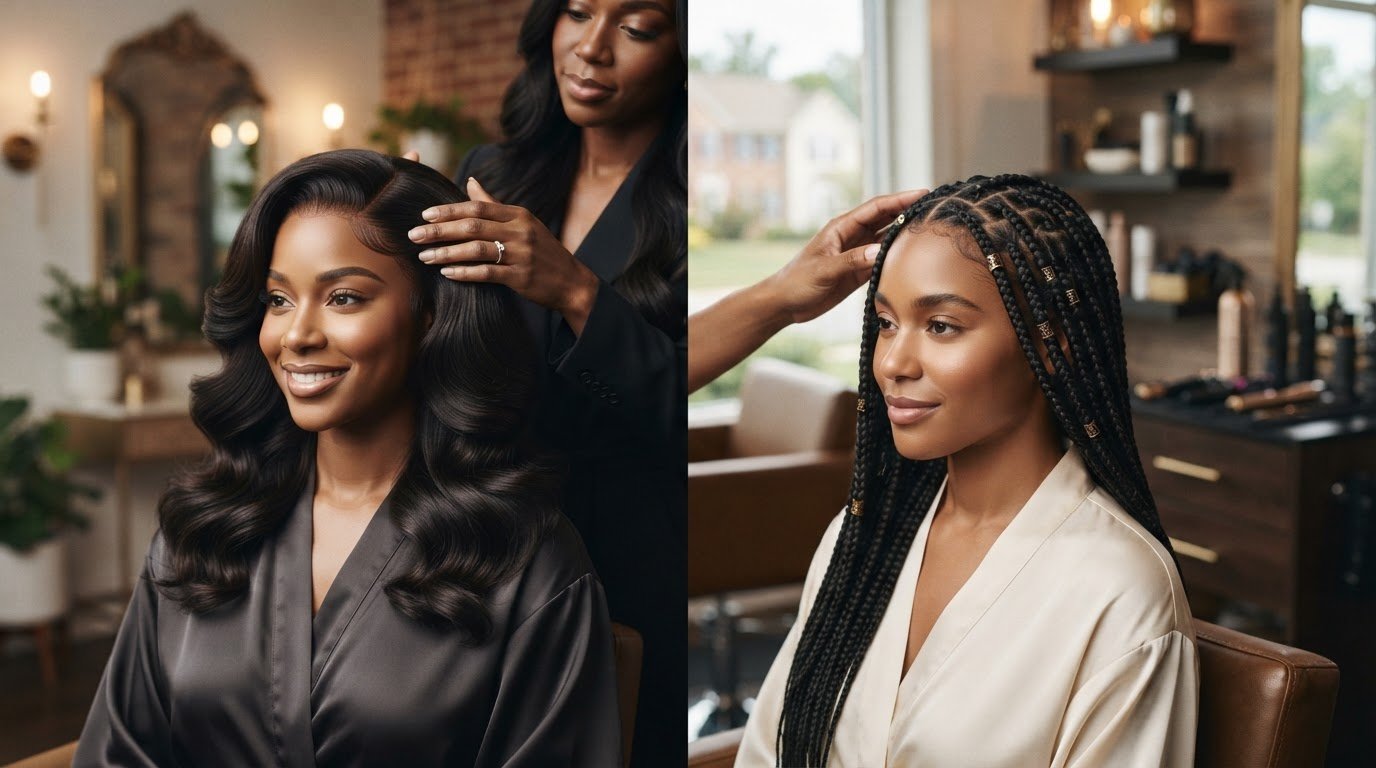
Phemmie's Place offers knotless braids as a protective styling option when you want an alternative to a sew-in weave. Knotless braids begin with your natural hair and gradually incorporate extensions, creating a braided look rather than sewn-in wefts. You can also explore boho braids or box braids to find a style that suits your preferred finish.
If you’re considering a longer-term loc journey, Sisterlocks and microloc services offer another direction. Think about your desired look, daily styling preferences, and the protective style that feels right for you. Locs create a different result from a sew-in, so choose based on the style you hope to wear.
For a warm next step, visit phemmplc.com or contact Phemmie's Place to discuss your style.
Choose a Style That Feels Like You
Choose a finish that fits your routine, not just a photo. Think about how you like to part your hair, how much volume feels comfortable, and how much of your natural hair you want to show. These preferences help you describe the result you’re hoping for and make your styling conversation more focused.
If you’re still comparing options for a sew-in weave near me, use your preferred look as a guide. Save a reference image, note the details you like, and bring those ideas into your appointment planning. A clear starting point makes it easier to discuss a style and care approach that suits you.
When you’re ready to explore your next look, connect with Phemmie’s Place. Take a moment to consider what feels most like you, then move forward with a style that lets you feel comfortable and renewed.
Frequently Asked Questions
How much does a sew-in weave cost near me?
The price depends on your case and is given after a quote request. In Glen Burnie, an estimate can reflect the sew-in method, extension hair choice, amount of hair, and work included in the appointment. For a useful quote, describe your desired finish and whether you need hair included. Clarify which preparation and styling steps are part of the service before booking.
What types of sew-in weaves do local salons offer?
In Glen Burnie, sew-in services can vary by coverage, part, and finish. At Phemmie’s Place, sew-in extensions are applied over a protective braided foundation. Share whether you prefer a visible part, natural hair blended into the style, or more coverage to shape the installation you’re discussing. Appointments are required, so plan your visit through the salon’s booking process.
How long does a sew-in weave last, and how often should it be maintained?
A sew-in weave typically lasts 6-8 weeks. Maintenance timing depends on how the foundation feels, how the style wears, and your care routine. Keep the scalp and braids in mind as you follow your stylist’s guidance for cleansing and drying. If the weave starts shifting or feels uncomfortable, arrange attention rather than tightening or pulling at the tracks yourself.

Comments